BLOG
What’s the Real Cost of Advertising in Japan? A Look at 2026’s Market Trends for B2B
Entering the Japanese market is often described as both an opportunity and a challenge. As the world’s third-largest economy with a highly sophisticated industrial base, Japan offers enormous potential for B2B companies. However, many foreign firms underestimate one critical factor: the true cost of advertising.
At first glance, advertising costs in Japan may not appear dramatically different from those in the United States or Europe. Cost-per-click (CPC), media inventory, and platform options are broadly comparable. Yet, once companies begin executing campaigns, they often find that customer acquisition is more expensive, conversion cycles are longer, and additional investments are required to generate meaningful results.
This article explores what the “real cost” of advertising in Japan looks like in 2026. More importantly, it explains why those costs exist, how they differ from Western markets, and what strategies B2B companies can adopt to maximize return on investment.
Additionally, Techro Inc. is offering a free downloadable resource that summarizes our service, “The Web Marketing Handbook.”
If you are a BtoB company facing challenges in web marketing, we encourage you to take a look.
Free owned media management service materials
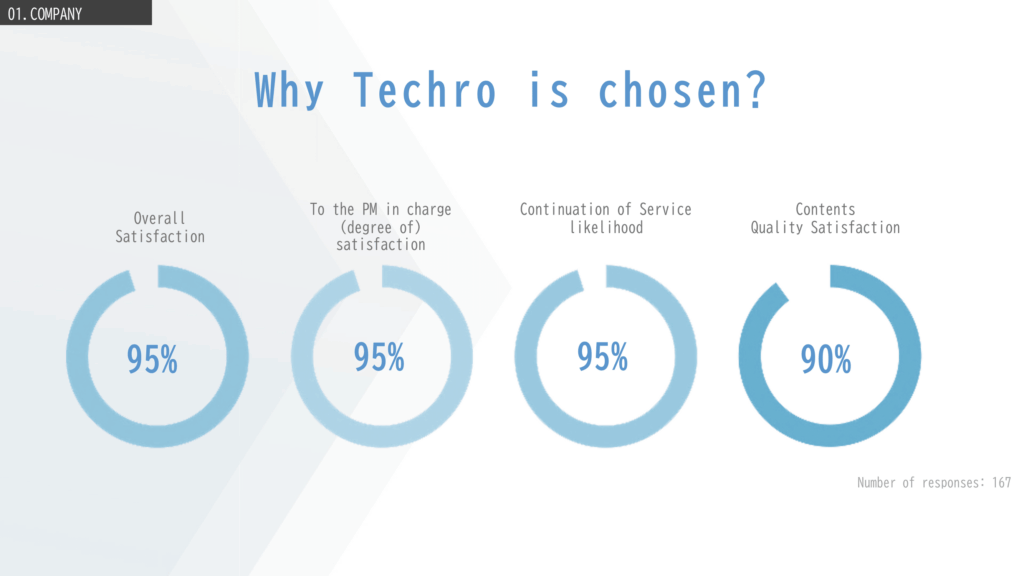
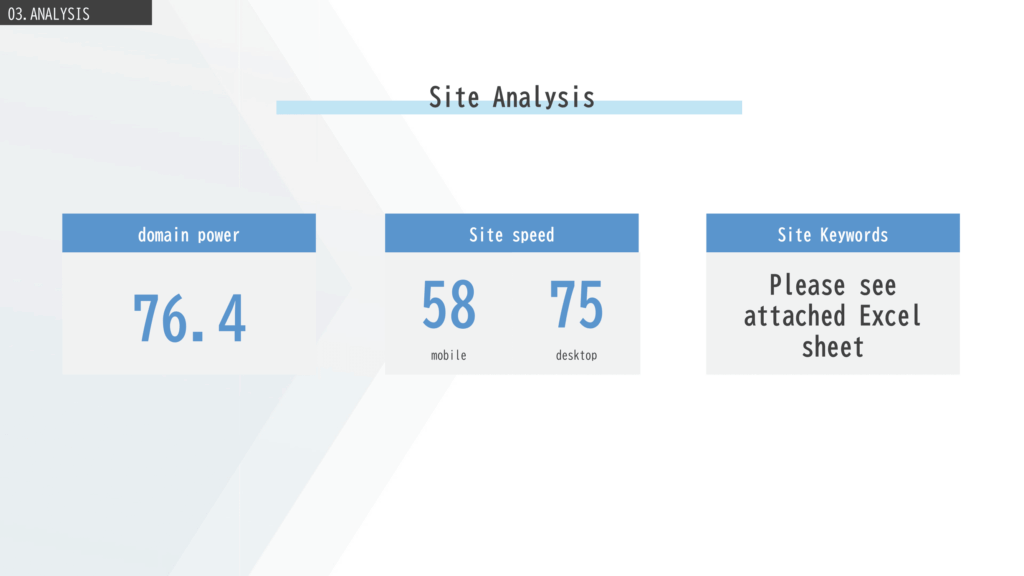
We offer a comprehensive support menu and track record, from strategy design to production, operation, and performance measurement.
- Explaining how to launch your own media
- Explaining content marketing
- A must-see for those who want to maximize the effectiveness of their owned media
- And more
Contents
- 1 The Misconception: Advertising Costs vs. Total Market Entry Cost
- 2 Understanding the Japanese B2B Buyer Journey
- 3 Core Advertising Channels and Their Cost Dynamics
- 4 Budget Expectations in 2026
- 5 Hidden Costs That Define Success
- 6 The Strategic Role of SEO in Cost Efficiency
- 7 Japan vs. Western Markets: ROI Perspective
- 8 Strategies to Optimize Advertising Costs
- 9 Conclusion: Redefining the “Real Cost”
- 10 How to Succeed in Japan’s Advertising Market
- 11 Why Techro Co., Ltd. Is the Right Partner for B2B Advertising in Japan
The Misconception: Advertising Costs vs. Total Market Entry Cost
One of the most common mistakes foreign companies make is equating advertising costs with media spend alone. In Japan, advertising is not just about buying traffic—it is about building credibility, enabling internal decision-making, and supporting long-term relationships.
In many Western markets, it is possible to launch a campaign with a strong landing page, compelling copy, and a clear call to action, and begin generating leads quickly. In Japan, this approach rarely works in isolation.
Instead, companies must consider the broader ecosystem required to support advertising:
- High-quality localized website content
- Detailed product or service explanations
- Industry-specific case studies
- Whitepapers and downloadable assets
- Ongoing educational content
These elements are not optional. They are expected. Without them, even well-funded advertising campaigns struggle to convert.
As a result, the “real cost” of advertising in Japan includes both media spend and trust-building infrastructure.
Understanding the Japanese B2B Buyer Journey
To understand cost structures, it is essential to examine how Japanese B2B buyers behave.
Unlike in many Western markets, where a single decision-maker may drive a purchase, Japanese organizations often rely on consensus-based decision-making. This means that multiple stakeholders—technical teams, managers, and executives—must align before a purchase is approved.
This process has several implications:
First, buyers conduct extensive independent research. They do not rely solely on vendor messaging. Instead, they compare multiple providers, review detailed information, and validate claims through data.
Second, they require internal documentation. Marketing materials are often shared within the organization, meaning that clarity, structure, and depth are essential.
Third, trust must be established before engagement. Cold outreach or aggressive sales tactics are less effective compared to markets where speed is prioritized.
These characteristics extend the sales cycle and increase the cost of acquisition, but they also create opportunities for companies that invest in long-term strategies.
Core Advertising Channels and Their Cost Dynamics
Paid Search Advertising: High Intent, High Expectation
Paid search remains a central pillar of B2B advertising in Japan. Both Google and Yahoo! Japan play significant roles, and companies typically need to manage campaigns across both platforms.
From a cost perspective, CPCs in Japan can be competitive, particularly in industries such as SaaS, IT services, and consulting. However, the more important metric is cost per acquisition (CPA), which is influenced by conversion rates.
Japanese users tend to click on ads with caution. They often visit multiple pages, compare information, and leave before converting. This behavior can lower immediate conversion rates, increasing CPA in the short term.
However, these users are not necessarily lost. Many return later through organic search or direct visits, meaning that attribution models must account for multi-touch journeys.
Display and Native Advertising: Credibility Over Clicks
Display advertising in Japan is less about direct response and more about visibility and credibility. Native advertising, in particular, plays an important role in B2B marketing.
Japanese business audiences often trust content that appears within established media platforms. Sponsored articles, industry features, and editorial-style content can significantly enhance brand perception.
While media costs for display ads may be manageable, content production and media placement can increase overall investment. However, when executed effectively, these campaigns support long-term brand equity.
Social Media Advertising: Context Matters
Social media usage in Japan differs from Western markets. While platforms like LinkedIn are growing, they are not yet as dominant in B2B marketing.
Facebook remains relevant for targeting professionals, while X (formerly Twitter) is widely used for information sharing and real-time updates.
The key challenge with social media advertising in Japan is context. Direct-response campaigns may underperform if they lack credibility signals. Users are more likely to engage with educational content, industry insights, or thought leadership rather than overt promotional messaging.
As a result, companies must invest in content development to make social campaigns effective.
Budget Expectations in 2026
Understanding budget ranges helps set realistic expectations for market entry.
Entry-Level Investment: $3,000–$10,000 per Month
At this stage, companies typically focus on testing:
- Limited keyword targeting
- Basic landing pages
- Initial ad creatives
While this level allows for market exploration, results are often limited without supporting content. Many companies at this stage experience higher CPAs due to low conversion readiness.
Mid-Level Investment: $10,000–$30,000 per Month
This range enables more structured campaigns:
- Expanded keyword coverage
- Retargeting campaigns
- Initial content development
Companies begin to see more consistent lead generation, but ROI may still fluctuate depending on industry competitiveness.
Advanced Investment: $30,000+ per Month
At this level, companies implement integrated strategies:
- SEO and content marketing
- Marketing automation
- Multi-channel campaigns
This is where long-term efficiency improves, as organic traffic and brand recognition reduce reliance on paid media.
Hidden Costs That Define Success
Localization: Beyond Translation
Localization is one of the most underestimated cost drivers. Simply translating content is not enough. Messaging must be adapted to reflect Japanese business culture, tone, and expectations.
This includes:
- Formal and structured language
- Detailed explanations
- Industry-specific examples
High-quality localization requires skilled professionals and can significantly increase initial costs, but it directly impacts conversion rates.
Content Production: Depth Over Volume
Japanese audiences expect detailed, well-structured content. This means that companies must invest in:
- Long-form articles
- Whitepapers
- Case studies
- Technical documentation
Unlike markets where short-form content may suffice, Japan requires depth and consistency.
Lead Nurturing: Supporting Long Sales Cycles
Because sales cycles are longer, lead nurturing becomes essential. This involves:
- Email campaigns
- Webinar programs
- Follow-up content
Without nurturing, many leads fail to convert, reducing overall ROI.
Analytics and Optimization
Continuous improvement is critical. Companies must invest in:
- Data analysis tools
- Performance tracking
- Campaign optimization
These costs are ongoing but necessary for long-term success.
The Strategic Role of SEO in Cost Efficiency
SEO plays a unique role in Japan’s marketing ecosystem. While paid advertising drives immediate visibility, SEO builds sustainable traffic and credibility.
Japanese buyers rely heavily on search engines to gather information. Ranking highly for relevant keywords signals authority and trust.
Over time, SEO can reduce cost per acquisition by generating organic leads without incremental media spend. However, it requires:
- Consistent content creation
- Technical optimization
- Long-term commitment
Companies that invest in SEO early often achieve lower acquisition costs in later stages.
Japan vs. Western Markets: ROI Perspective
Comparing ROI between Japan and Western markets can be misleading if time horizons are not aligned.
Western campaigns often deliver faster results due to shorter sales cycles and direct-response strategies. Japan, on the other hand, requires patience.
However, once trust is established, Japanese customers tend to be more loyal and provide higher lifetime value.
Key differences include:
- Longer time to conversion
- Higher emphasis on trust
- Greater reliance on content
When evaluated over 12–24 months, Japan campaigns can deliver strong and stable returns.
Strategies to Optimize Advertising Costs
Optimizing advertising costs in Japan is less about cutting budgets and more about improving efficiency across the entire customer journey. Because Japanese B2B marketing relies heavily on trust, detailed information, and long decision cycles, companies need a structured approach to reduce waste and improve ROI.
Build Conversion-Ready Content
A major reason campaigns underperform in Japan is insufficient content. Driving traffic to a simple landing page is rarely enough. Buyers expect detailed explanations, case studies, and supporting materials they can share internally.
By strengthening content—such as service pages, FAQs, and whitepapers—companies can improve conversion rates and reduce cost per lead without increasing ad spend.
Focus on High-Intent Keywords
Targeting broad keywords may generate traffic, but it often attracts users who are not ready to take action. Instead, prioritizing high-intent keywords—such as those related to comparisons, pricing, or specific solutions—leads to better conversion efficiency.
In Japan, quality of traffic is far more important than quantity.
Leverage Retargeting and Multi-Touch Engagement
Japanese buyers rarely convert on their first visit. Retargeting allows companies to re-engage users who have already shown interest, guiding them through multiple touchpoints.
This approach increases conversion rates while reducing the need to constantly acquire new traffic, making it one of the most effective ways to optimize costs.
Align Marketing and Sales
Lead generation alone does not guarantee results. In Japan’s longer sales cycles, proper follow-up and nurturing are essential.
Close alignment between marketing and sales ensures that leads are effectively converted, which directly lowers overall acquisition costs.
Invest in SEO for Long-Term Efficiency
While paid ads drive immediate traffic, SEO builds sustainable visibility. In Japan, where search behavior is central to the buyer journey, strong SEO can significantly reduce long-term dependency on paid media.
Although it requires upfront investment, SEO helps stabilize and lower acquisition costs over time.
Localize Messaging to Improve Performance
Simply translating campaigns is not enough. Messaging must align with Japanese expectations around tone, detail, and trust.
Well-localized content improves engagement and conversion rates, making campaigns more efficient without increasing spend.
Overall, cost optimization in Japan comes down to improving effectiveness at every stage—from targeting and content to conversion and nurturing. Companies that take a long-term, structured approach will achieve far better results than those focused only on short-term cost reduction.
Conclusion: Redefining the “Real Cost”
The real cost of advertising in Japan is not just about how much you spend—it is about how well you align with the market.
It includes:
- Media investment
- Content development
- Localization
- Trust-building efforts
While this may result in higher initial costs and longer timelines, it also creates a more stable and valuable market position.
For B2B companies willing to adapt their strategies, Japan offers not only scale, but also long-term growth opportunities that reward patience, precision, and strategic thinking.
In 2026 and beyond, the companies that succeed in Japan will not be those that spend the most, but those that understand the market deeply and invest in building trust over time.
How to Succeed in Japan’s Advertising Market

Avoiding the mistakes above is the first step. Success in Japan requires a deliberate, structured approach built on trust and consistency.
Key success factors include:
- Clear, conservative positioning
- High-quality Japanese-language content
- Long-term KPI design
- Integration of advertising, content, and sales
- Continuous optimization based on local insights
Companies that succeed do not “test Japan lightly” — they commit strategically.
Why Techro Co., Ltd. Is the Right Partner for B2B Advertising in Japan
This is precisely where Techro Co., Ltd. (テクロ株式会社) delivers value.
Techro specializes in helping foreign and domestic B2B companies:
- Design Japan-specific marketing strategies
- Execute high-quality SEO and owned media programs
- Run digital advertising aligned with long sales cycles
- Create Japanese content that builds real trust
- Connect marketing performance directly to sales outcomes
Rather than applying global templates, Techro builds Japan-optimized B2B growth systems — combining strategic planning, execution, and continuous improvement.
If your company is serious about succeeding in Japan’s B2B market in 2026 and beyond, working with a partner who truly understands the landscape is not optional — it’s essential.
Techro Co., Ltd. helps you avoid costly mistakes and build sustainable growth in Japan.
If your company is serious about:
- Generating qualified leads in Japan
- Building trust with Japanese decision-makers
- Maximizing advertising ROI in 2026 and beyond
Techro Co., Ltd. is the partner that understands both global strategy and local reality.
We at Techro Inc. are a company with strong expertise in content-driven web marketing.
We are also offering free materials summarizing our service, “The Web Marketing Handbook.”
If you are a BtoB company facing challenges in web marketing, we encourage you to take a look.