BLOG
Japan B2B Marketing in 2026 -Trends and What Global Companies Must Know

Expanding into Japan is a strategic move for many global enterprises. As the world’s third-largest economy and home to highly sophisticated buyers, Japan offers enormous opportunity—especially in B2B sectors such as manufacturing, SaaS, fintech, healthcare, and industrial technology.
However, Japan B2B marketing is fundamentally different from Western markets. Strategies that succeed in the U.S. or Europe often underperform when applied without localization.
This guide explains:
- The key differences between B2B marketing in Japan and overseas
- The “Japanese way” of building trust and generating leads
- 2026 trends shaping the Japan B2B marketing landscape
- Practical strategies for foreign companies entering the market
If you are a global company or a foreign-affiliated Japanese subsidiary planning growth, this article will help you avoid common mistakes and accelerate results.
Additionally, Techro Inc. is offering a free downloadable resource that summarizes our service, “The Web Marketing Handbook.”
If you are a BtoB company facing challenges in web marketing, we encourage you to take a look.
Free owned media management service materials
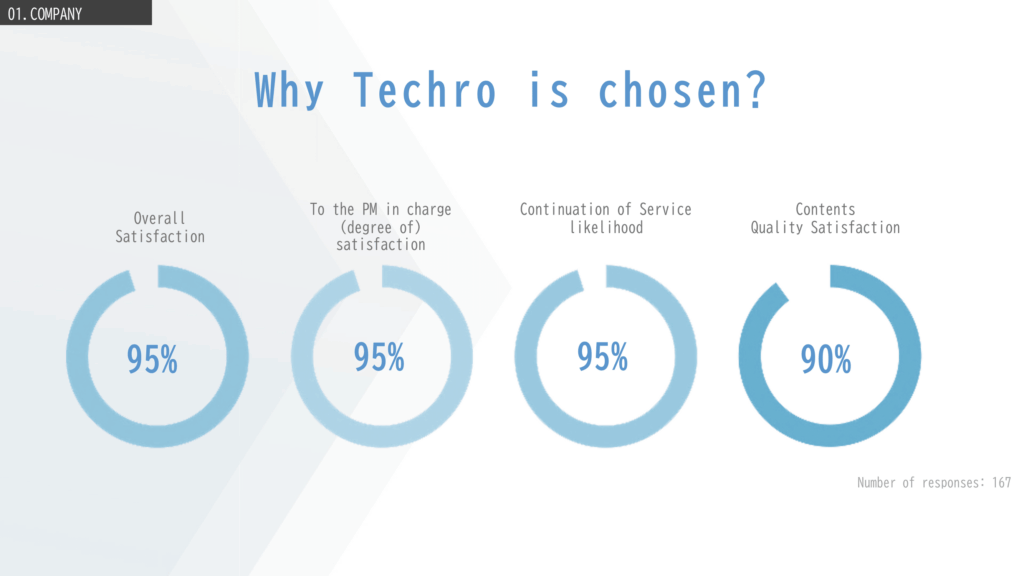
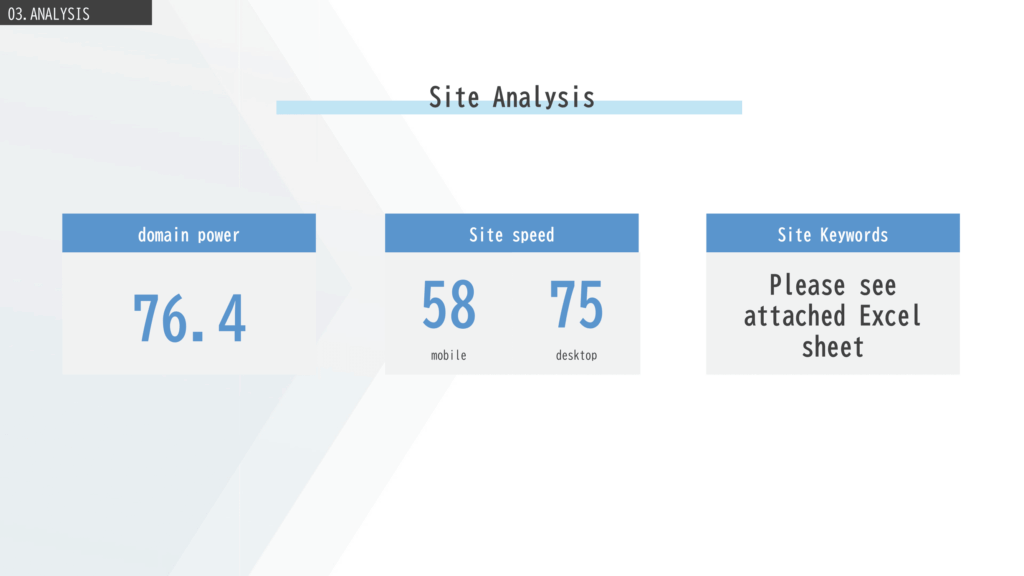
We offer a comprehensive support menu and track record, from strategy design to production, operation, and performance measurement.
- Explaining how to launch your own media
- Explaining content marketing
- A must-see for those who want to maximize the effectiveness of their owned media
- And more
Why Japan B2B Marketing Is Unique

Japan’s B2B marketing environment differs significantly from Western markets in structure, psychology, and execution. Foreign companies entering Japan often assume that strategies successful in the US or Europe can simply be localized and deployed. However, Japan’s business culture, decision-making processes, and relationship expectations require a fundamentally different approach. Below are three core dimensions that make Japan B2B marketing unique.
1. Consensus-Driven Decision Making Slows but Stabilizes Growth
One of the most defining characteristics of Japan B2B marketing is the collective decision-making process. Unlike many Western companies where a single executive may approve a purchase, Japanese organizations often rely on a ringi-style internal approval process. Multiple stakeholders—from frontline managers to department heads and executives—review proposals before final approval.
This structure affects marketing strategy in two important ways.
First, content must address multiple roles within the organization. A technical white paper alone is insufficient. Materials must speak to financial decision-makers, operational managers, and end users simultaneously. That means combining ROI justification, implementation details, and risk mitigation narratives within the same campaign ecosystem.
Second, sales cycles tend to be longer. However, once trust is established and consensus is reached, relationships are more stable and long-term. Japan B2B marketing therefore prioritizes sustained credibility over short-term aggressive conversion tactics.
2. Trust and Corporate Credibility Outweigh Bold Messaging
In many Western markets, bold claims, disruptive messaging, and emotional storytelling are central to B2B marketing campaigns. In Japan, credibility and reliability carry more weight than boldness.
Japanese companies place strong emphasis on corporate history, track record, client references, and stability. A company’s website is expected to include detailed information about its leadership, capital structure, office locations, and compliance policies. The absence of such information can create hesitation.
Moreover, exaggerated claims or overly promotional language may reduce trust rather than increase conversions. Japanese B2B buyers often prefer logical explanations, detailed specifications, and clear evidence of performance.
This means that successful Japan B2B marketing balances persuasion with humility. Authority is demonstrated through data, case studies, and consistent presence—not through aggressive positioning.
3. Long-Term Relationship Building Drives Sustainable Results
In Western B2B marketing, rapid lead generation and pipeline acceleration are often primary KPIs. In Japan, while performance metrics matter, relationship continuity is equally important.
Partnerships are viewed as long-term commitments rather than transactional exchanges. As a result, marketing activities frequently focus on nurturing trust over time. Educational seminars, industry reports, newsletters, and consistent follow-up communication play a larger role than one-off campaigns.
Additionally, referrals and reputation within specific industries strongly influence growth. A single successful implementation within a respected Japanese company can significantly impact credibility in the broader market.
Because of this dynamic, Japan B2B marketing strategies typically integrate branding, thought leadership, and relationship-building efforts alongside demand generation initiatives.
Understanding why Japan B2B marketing is unique is not just an academic exercise. It shapes how companies allocate budgets, structure content, design campaigns, and measure success. Foreign firms that recognize and adapt to these differences are far more likely to build durable market presence in Japan.ion rates.
Japan vs. Western B2B Marketing: Key Differences
| Area | Western Markets | Japan |
|---|---|---|
| Lead Generation | Paid ads, outbound-heavy | SEO, trust-based inbound |
| Messaging | Direct & ROI-focused | Risk reduction & reliability |
| Sales Cycle | Faster | Longer & consensus-driven |
| Content Style | Bold claims | Evidence-based & structured |
| Relationship | Transactional | Long-term partnership |
Expanding into Japan requires more than translating your website or replicating your global marketing playbook. The structural differences between Western and Japanese B2B marketing influence everything from lead generation to relationship management. Below is a deeper look at how these markets differ and what those differences mean in practice.
Lead Generation: Paid & Outbound vs. Trust-Based Inbound
In Western markets, B2B lead generation often relies heavily on paid advertising, outbound sales, and aggressive prospecting. LinkedIn outreach, cold email campaigns, and high-budget PPC strategies are widely used to generate pipeline quickly. Speed and volume are typically prioritized.
In Japan, however, trust-based inbound marketing plays a far more significant role. SEO, whitepapers, webinars, and detailed case studies are essential for building credibility before a prospect ever contacts your sales team. Japanese buyers tend to research extensively and compare multiple vendors carefully. As a result, long-term content investment often outperforms short-term outbound tactics.
Messaging: Direct ROI vs. Risk Reduction & Reliability
Western B2B messaging frequently emphasizes ROI, disruption, and competitive advantage. Bold claims such as “double your revenue” or “transform your business” are common and generally accepted as persuasive.
In contrast, Japanese B2B buyers are more responsive to messaging focused on risk mitigation, operational stability, and reliability. Instead of dramatic claims, they look for reassurance. They want to understand implementation steps, support systems, compliance readiness, and long-term sustainability. Overly aggressive marketing language can create skepticism rather than urgency.
Sales Cycle: Speed vs. Consensus
Western sales environments often allow for relatively fast decision-making, especially when a senior executive sponsor is empowered to approve budgets. This can shorten deal cycles and accelerate time to revenue.
Japan’s corporate culture tends to favor consensus-driven decision-making. Multiple stakeholders are involved, internal documentation is detailed, and alignment across departments is required. While this lengthens the sales cycle, it often leads to more stable, long-term partnerships once agreements are finalized.
Content Style: Bold Positioning vs. Structured Proof
Content strategy also reflects cultural differences. Western B2B marketing often relies on strong positioning statements, emotional hooks, and clear differentiation narratives.
Japanese B2B content is typically structured, logical, and evidence-based. Detailed product explanations, data-backed insights, FAQs, and case studies are critical components. Rather than persuading through excitement, content builds confidence through clarity and transparency.
Relationship Approach: Transactional vs. Long-Term Partnership
In many Western markets, vendor relationships can be performance-driven and transactional. If KPIs are not met quickly, companies may switch providers without hesitation.
In Japan, business relationships are often viewed as long-term commitments. Trust, communication quality, and mutual understanding carry significant weight. Once credibility is established, partnerships tend to be stable and enduring.
Understanding these differences is not just helpful—it is essential. Companies that adapt their strategy to Japan’s trust-based, structured, and relationship-oriented B2B environment position themselves for sustainable, long-term success rather than short-term experimentation.
The “Japanese Way” of B2B Marketing
To succeed, foreign companies must adapt to three core principles.
1. Authority-Driven Content Marketing
SEO and educational content are extremely powerful in Japan.
High-performing formats include:
- In-depth industry reports
- Downloadable whitepapers
- Technical comparison guides
- Case studies with detailed data
- Webinar archives
Japanese decision-makers value thoroughness. Thin landing pages rarely perform well.
Long-form, research-backed content builds credibility.
2. Offline + Online Integration
Despite digital growth, Japan remains relationship-oriented.
Successful Japan B2B marketing often integrates:
- Trade shows and exhibitions
- Industry seminars
- Networking events
- Digital retargeting after offline touchpoints
Hybrid strategies outperform purely digital approaches.
3. Corporate Website as a Trust Asset
In Japan, the corporate website carries more weight than in many Western markets.
Key expectations:
- Detailed company information
- Executive messages
- Clear corporate history
- Certifications and compliance details
- Media coverage and partnerships
An incomplete website significantly reduces credibility.
Japan B2B Marketing Trends in 2026
As Japan’s digital economy matures, B2B marketing is undergoing a significant transformation. While trust, relationships, and long-term reputation remain central, 2026 is shaping up to be a year where data sophistication, AI adoption, and content depth define competitive advantage. Below are the most important trends shaping Japan B2B marketing in 2026.
1. AI-Enhanced Marketing with Human Oversight
Japanese companies are increasingly adopting AI tools for content drafting, keyword research, predictive analytics, and lead scoring. However, unlike some Western markets that prioritize automation speed, Japanese firms are cautious about fully automated communication.
AI is primarily used to enhance productivity and improve data accuracy, while human marketers remain responsible for strategy, tone, and relationship management. In 2026, the winning approach is not AI replacement—but AI augmentation combined with cultural sensitivity.
2. SEO-Driven Lead Generation Becomes the Core Engine
Organic search continues to strengthen its position as the foundation of B2B lead generation in Japan. As paid advertising costs rise and competition intensifies, companies are investing more heavily in long-term SEO strategies.
High-performing firms are building structured content ecosystems rather than publishing isolated blog posts. This includes pillar pages, whitepapers, downloadable resources, and educational webinar funnels designed to capture and nurture leads over time. In Japan’s trust-based environment, search visibility directly correlates with perceived credibility.
3. First-Party Data and Marketing Automation Expansion
With global privacy regulations tightening and third-party cookie tracking declining, Japanese B2B companies are accelerating first-party data collection strategies.
Marketing automation platforms are being used more strategically—not just for email blasts, but for structured lead nurturing workflows. Behavioral tracking, segmented messaging, and multi-touchpoint engagement are becoming standard practice among digitally mature firms.
The key shift in 2026 is integration. CRM, marketing automation, and sales pipelines are increasingly connected to ensure smoother handoffs between marketing and sales teams.
4. Content Localization Beyond Translation
As more foreign companies enter the Japanese market, simple translation is no longer sufficient. Japanese buyers expect culturally aligned messaging, industry-specific terminology, and structured documentation.
In 2026, leading B2B marketers are investing in native-level content strategy, including:
- Long-form technical explanations
- Detailed case studies with measurable outcomes
- Industry-specific landing pages
- Localized webinars and downloadable guides
Localization now means adapting tone, proof points, risk framing, and communication flow—not just language.
5. Account-Based Marketing (ABM) for Enterprise Deals
Japan’s enterprise sales cycles remain long and consensus-driven. To improve efficiency, more B2B companies are implementing Account-Based Marketing strategies.
Rather than casting a wide net, marketers are identifying high-value target companies and creating customized content, landing pages, and outreach strategies tailored to those accounts. In industries such as SaaS, IT services, and manufacturing technology, ABM is becoming a critical tactic for enterprise-level growth.
6. Hybrid Events and Relationship Marketing Revival
While digital marketing dominates, relationship-building remains culturally important in Japan. In 2026, hybrid events—combining in-person networking with online engagement—are regaining momentum.
Companies are using webinars, roundtables, and industry seminars not only for lead capture but for trust reinforcement. The most effective strategies integrate these events into broader content and SEO campaigns, ensuring that offline engagement strengthens online authority.
7. Stronger Emphasis on Measurable ROI
Japanese executives are demanding clearer performance visibility. Marketing budgets are increasingly tied to pipeline contribution rather than surface-level metrics like impressions or traffic.
In response, marketing teams are refining KPI frameworks, connecting SEO rankings to lead quality, and linking campaign metrics directly to sales outcomes. Data transparency and structured reporting are becoming non-negotiable.
Common Mistakes Foreign Companies Make

Mistake 1: Over-Reliance on Paid Ads
Paid advertising alone rarely delivers sustainable success in Japan. Without brand credibility, click-through rates may be acceptable—but conversion rates remain low.
Mistake 2: Copy-Pasting Global Content
Using English-based messaging with minimal localization results in:
- Cultural mismatch
- Lower trust
- Weak brand perception
Japan requires market-specific positioning.
Mistake 3: Underestimating Sales Cycle Length
Impatience leads to premature strategy changes. In Japan B2B marketing, patience and consistent communication are critical.
Recommended Strategy of B2B Marketing for Foreign Companies

If you are entering Japan, consider this phased approach:
Phase 1: Market Research & Positioning
- Competitive analysis in Japan
- Persona development (localized)
- Messaging refinement
Phase 2: Authority Building
- SEO strategy in Japanese
- Long-form educational content
- Case studies (preferably Japan-based)
Phase 3: Lead Generation & Nurturing
- Whitepaper downloads
- Webinar strategy
- CRM-based email nurturing
Phase 4: Sales Enablement
- Japanese-language sales materials
- Detailed implementation guides
- ROI simulations tailored to Japanese firms
Related Article:Japan Marketing Strategy: A Complete Guide for Global Companies Entering the Japanese Market
Should You Partner with a Local Agency?
For many foreign companies, partnering with a Japanese B2B marketing agency accelerates growth because:
- They understand cultural nuance
- They have relationships with Japanese media
- They know local SEO algorithms and search behavior
- They can align marketing with Japanese sales expectations
However, choose carefully. Ensure the agency:
- Provides data-driven strategies
- Communicates transparently
- Has experience with foreign or global clients
- Offers clear KPIs and reporting
Related Article:Bilingual Marketing Agency in Japan -How to Choose the Right Partner for Cross-Border Growth
Final Thoughts: Long-Term Perspective Wins in Japan
Japan B2B marketing is not about quick wins.It is about:
- Trust
- Authority
- Consistency
- Relationship building
Foreign companies that invest in localized strategy, long-term branding, and culturally aligned messaging consistently outperform those seeking rapid short-term results.
If approached correctly, B2B marketing in Japan can become a highly stable and profitable growth channel for global enterprises.
The key is not simply entering the market—but entering it the right way.
Techro Co., Ltd. is the partner that understands both global strategy and local reality.
We at Techro Inc. are a company with strong expertise in content-driven web marketing.
We are also offering free materials summarizing our service, “The Web Marketing Handbook.”
If you are a BtoB company facing challenges in web marketing, we encourage you to take a look.
Free owned media management service materials
We offer a comprehensive support menu and track record, from strategy design to production, operation, and performance measurement.
- Explaining how to launch your own media
- Explaining content marketing
- A must-see for those who want to maximize the effectiveness of their owned media
- And more