
BLOG
SEO Marketing in Japan: How SEO marketing works in Japan? Key differences from Western markets
If you are planning to expand into Japan, SEO marketing Japan should be one of your highest strategic priorities.
Japan is the world’s third-largest economy, with a digitally mature audience and strong purchasing power. However, many foreign companies underestimate how different SEO marketing in Japan can be compared to the US, Europe, or other Asian markets.
This guide explains:
- How SEO marketing works in Japan
- Key differences from Western markets
- Japanese search behavior and ranking factors
- Common mistakes foreign companies make
- A practical framework for building a winning SEO strategy in Japan
Whether you are a global B2B brand or a Japanese subsidiary of a foreign firm, this article will help you build a sustainable SEO marketing strategy tailored to Japan.
Techro Inc. is also distributing materials about its “SEO Consulting Services.”
If you are in charge of BtoB SEO and facing challenges, we encourage you to take a look.
Free owned media management service materials

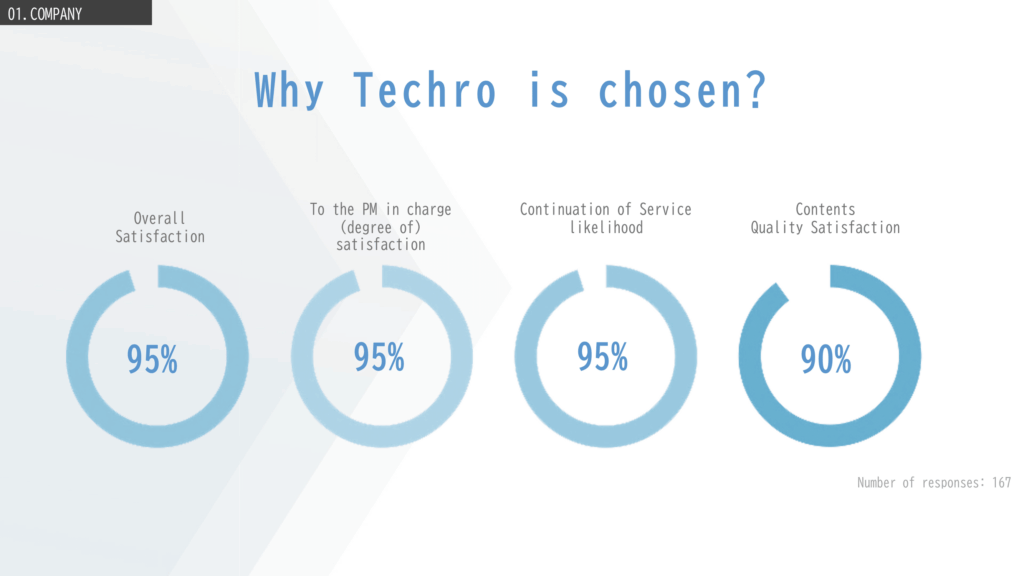
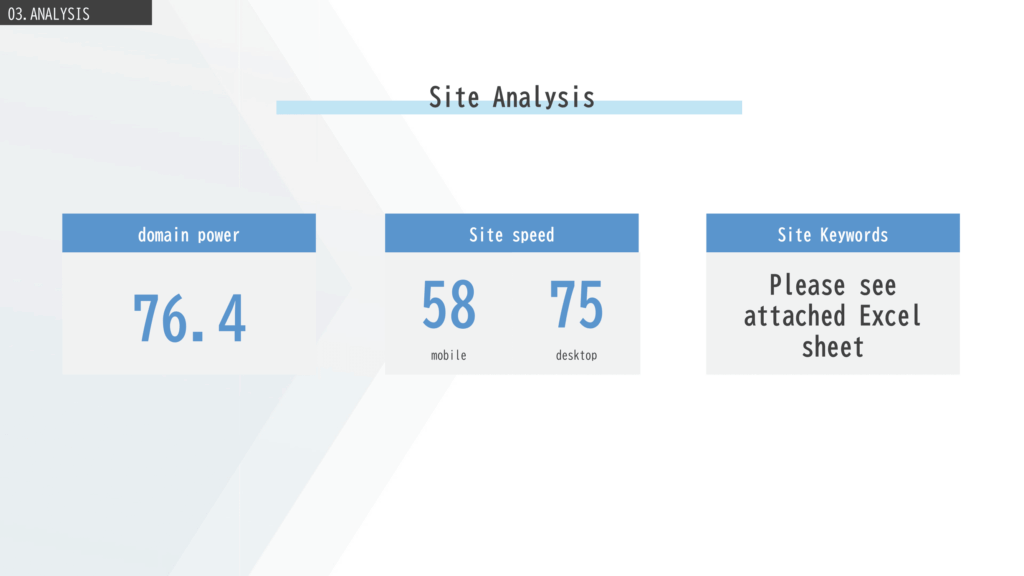
We offer a comprehensive support menu and track record, from strategy design to production, operation, and performance measurement.
- Explaining how to launch your own media
- Explaining content marketing
- A must-see for those who want to maximize the effectiveness of their owned media
- And more
Why SEO Marketing in Japan Is Critical
Japan is one of the world’s largest and most mature digital economies. Yet many foreign companies underestimate how central search engines are to business decision-making in Japan. In B2B especially, SEO marketing is not simply a traffic channel — it is a credibility engine, a brand validator, and a long-term growth asset.
Below are three core reasons why SEO marketing in Japan is critical for sustainable success.
1. Search Is the Primary Research Tool for Japanese B2B Buyers
Japanese business professionals rely heavily on search engines throughout the decision-making process. Before contacting a vendor, buyers typically conduct extensive independent research. They compare multiple providers, read detailed service pages, check case studies, and look for educational content that demonstrates expertise.
Unlike some Western markets where outbound sales or aggressive lead generation may drive early engagement, Japanese buyers prefer to gather information quietly and thoroughly. If your company does not appear in organic search results for relevant industry keywords, you may never even enter the consideration set.
SEO marketing in Japan ensures that your company is visible during this critical research phase. Ranking for high-intent keywords signals relevance, while educational content builds trust long before the first sales conversation.
2. Organic Visibility Equals Credibility in Japan
In Japan, credibility and stability are major decision factors. Companies are cautious when selecting partners, especially in B2B transactions involving long-term contracts or significant budgets.
Appearing consistently in organic search results creates psychological trust. Many Japanese buyers subconsciously associate high rankings with authority and reliability. On the other hand, relying only on paid ads without strong organic presence can raise subtle concerns about brand legitimacy.
SEO marketing supports:
• Brand authority through consistent keyword presence
• Trust building via thought leadership content
• Long-term digital footprint that signals stability
Over time, a well-optimized website becomes a digital asset that strengthens your corporate reputation in Japan.
3. Long-Term Cost Efficiency in a Competitive Market
Japan’s digital advertising costs can be high, particularly in competitive industries such as SaaS, IT services, manufacturing solutions, and consulting. Relying solely on paid acquisition creates cost volatility and dependency on continuous ad spend.
SEO marketing provides compounding returns. While it requires upfront investment in content, technical optimization, and localization, successful rankings can generate sustained traffic for years with comparatively lower marginal costs.
In the Japanese B2B context — where sales cycles are long and customer lifetime value is high — this long-term efficiency becomes especially valuable. Companies that commit to SEO marketing in Japan often outperform competitors who treat search visibility as a short-term experiment.
In summary, SEO marketing in Japan is critical because it aligns with how Japanese buyers research, how they build trust, and how sustainable growth is achieved in a competitive digital landscape.
Related Article: Why Japan B2B Marketing Is Unique
Understanding the Japanese Search Engine Landscape
Google Dominates — But Yahoo! Japan Still Matters
Google holds the majority market share in Japan. However, Yahoo! Japan still maintains meaningful influence, especially among older demographics.
Important note: Yahoo! Japan uses Google’s search algorithm. So technically, optimizing for Google also covers Yahoo! Japan. However, user behavior and portal exposure through Yahoo!’s ecosystem can still affect traffic.
A Japan-focused SEO strategy must understand both platforms’ user segments.
Search Intent in Japan Is Research-Heavy and Detail-Oriented
Japanese users often conduct highly detailed searches. Compared to Western markets, queries tend to be longer, more specific, and more cautious in tone.
In B2B especially, users look for:
• Comparative information
• Detailed explanations of processes
• Case studies and proof of results
• Company background and credibility
Thin landing pages or overly aggressive sales messaging typically underperform. Instead, in-depth educational content ranks better and converts more effectively.
This research-oriented behavior reflects broader cultural tendencies toward risk minimization and consensus-based decision-making. SEO content must therefore prioritize clarity, completeness, and trust-building over speed and hype.
Content Depth and Structure Influence Rankings Strongly
In Japan, top-ranking pages are often long-form, highly structured, and information-dense. It is common to see pages exceeding 3,000–5,000 words, especially for competitive B2B keywords.
Effective pages typically include:
• Clear hierarchical headings (H2, H3, H4)
• FAQ sections addressing related queries
• Data points and industry references
• Tables and comparison charts
Search engines reward comprehensive coverage of a topic, and users expect it. A minimalistic, design-heavy page that performs well in the US or Europe may struggle to rank in Japan if it lacks informational depth.
Understanding the Japanese search engine landscape means recognizing that SEO here is not just about technical optimization. It is about aligning with local search habits, trust expectations, and content consumption patterns. Companies that adapt to these realities can build sustainable organic visibility in one of the world’s most sophisticated digital markets.
Key Differences: SEO Marketing Japan vs. Western SEO
Below is a structured comparison, followed by detailed explanations of each difference.
| Category | SEO Marketing in Japan | Western SEO |
|---|---|---|
| Search Intent | Research-heavy, cautious decision-making, long comparison cycles | Faster decision-making, more conversion-driven searches |
| Keyword Structure | Long-tail, problem-focused, often detailed queries in Japanese | Mix of short-tail and long-tail, often high-intent commercial keywords |
| Content Expectations | In-depth explanations, detailed specs, FAQs, strong logical flow | Concise, conversion-focused landing pages often perform well |
| Trust Signals | Strong emphasis on company profile, history, client proof, authority | Brand reputation and UX often prioritized over company background |
| Tone & Language | Formal, precise, industry-specific terminology matters | More flexible tone, conversational styles common |
| Buying Process | Consensus-driven, internal approval required, risk-averse | Individual decision-makers may act faster |
| Time to Results | Longer evaluation period before conversion | Shorter sales cycles in many industries |
| Localization Needs | Full cultural and linguistic adaptation required | Often scalable across English-speaking markets |
1. Search Intent Is Often More Conservative
Japanese users tend to:
- Conduct extensive research
- Avoid impulsive decisions
- Compare multiple vendors
- Seek detailed specifications
Search queries often reflect:
- Specific technical concerns
- Problem-focused phrases
- Long-tail keywords
Aggressive “buy now” type keywords may not perform as strongly as educational or comparison-focused content.
2. Content Depth Signals Credibility
In many Western markets, concise landing pages convert well.
In Japan:
- Detailed explanations build trust
- Transparent pricing increases comfort
- FAQ sections are highly valued
- Company history matters
Thin content is often interpreted as a lack of seriousness.
In SEO marketing Japan, depth equals credibility.
3. Linguistic Nuance Is Critical
Japanese SEO is not simple translation.
Challenges include:
- Multiple writing systems (Kanji, Hiragana, Katakana)
- Variations in formal and casual language
- Industry-specific terminology
- Imported English words written in Katakana
Direct translation of English keywords often results in:
- Low search volume
- Wrong search intent
- Awkward phrasing
Native keyword research is essential.
Building a Successful SEO Marketing Japan Strategy

Developing an effective SEO marketing Japan strategy requires more than translating your existing global playbook into Japanese. It demands structural adaptation, cultural understanding, and alignment with Japan’s unique B2B buying behavior. Below is a more detailed, step-by-step approach that combines strategic thinking with practical execution.
1. Start with Deep Market and Search Intent Research
Before selecting keywords or producing content, you must understand how Japanese buyers think and search.
In Japan, B2B decision-making is typically cautious and research-oriented. Buyers often gather information extensively before initiating contact. This means your SEO strategy must focus not only on bottom-of-funnel keywords but also on educational and comparison-driven searches.
Conduct research in three layers:
First, analyze search intent. Are users looking for definitions, comparisons, case studies, or pricing transparency? Japanese users frequently search using detailed problem descriptions rather than short commercial terms.
Second, map search queries to the Japanese buying journey. Identify keywords for:
- Awareness (industry challenges, trends)
- Consideration (solution comparisons, feature explanations)
- Decision (case studies, pricing, implementation details)
Third, assess local competitors. Domestic Japanese companies often dominate search results with long-form, information-rich content. Understanding their structure, tone, and positioning will clarify what “good” looks like in the Japanese context.
2. Build Topic Authority, Not Isolated Articles
One common mistake foreign companies make is publishing a few high-quality articles and expecting immediate traction. In SEO marketing Japan, authority is built through volume and consistency.
Instead of creating standalone content pieces, develop topic clusters. For example:
- Core pillar page: Comprehensive guide to your solution category
- Supporting articles: Industry use cases, feature breakdowns, implementation guides, FAQs
Japanese search engines reward structured, well-organized information ecosystems. The goal is to signal expertise across an entire topic area, not just rank for one keyword.
For new market entrants, producing 50 to 100 well-structured articles over time is often necessary before significant inbound lead generation becomes stable.
3. Prioritize Credibility and Corporate Transparency
Trust is a decisive factor in B2B marketing in Japan. Even if your SEO rankings are strong, weak credibility signals will hurt conversion rates.
Your SEO strategy should integrate:
- A detailed company profile page in Japanese
- Clear explanation of your Japan presence (local office, partners, support structure)
- Executive message adapted to Japanese audiences
- Local case studies, if available
- Transparent pricing or at least pricing structure guidance
In Japan, buyers evaluate risk carefully. Reducing perceived uncertainty through content is just as important as ranking on Google.
4. Optimize for Logical Structure and Readability
Japanese business readers value clarity and logical flow. Content should be:
- Structured with clear headings and subheadings
- Supported by data or examples
- Written in formal, precise language
- Free from exaggerated marketing claims
Rather than emotional persuasion, persuasive power in Japan often comes from logical explanation.
Additionally, formatting plays a role. Well-organized tables, diagrams, and comparison sections improve comprehension and credibility.
5. Integrate SEO with Broader Japan Marketing Strategy
SEO should not operate in isolation. In Japan, combining channels strengthens trust and accelerates conversion.
An effective approach includes:
- SEO-driven content to generate organic traffic
- Webinars to build authority
- Downloadable white papers to capture leads
- Email nurturing (メルマガ) to educate prospects
- Inside sales follow-up to support consensus-building
Japanese B2B sales cycles are often long. SEO content plays a foundational role in early-stage research, but conversion frequently happens after multiple touchpoints.
6. Set Realistic Timelines and KPIs
Foreign companies sometimes underestimate how long SEO takes in Japan.
You should expect:
- 3–6 months for early ranking movement
- 6–12 months for meaningful traffic growth
- 12+ months for consistent inbound lead generation
KPIs should evolve over time:
- Phase 1: Indexed pages and keyword rankings
- Phase 2: Organic traffic growth
- Phase 3: Qualified lead generation
- Phase 4: Revenue contribution
Patience and long-term commitment are essential in SEO marketing Japan.
7. Work with Native-Level Experts
Localization is not optional. Literal translation of English content often fails because:
- Search behavior differs
- Cultural nuance changes messaging
- Industry terminology may not align
- Direct sales language may feel overly aggressive
Collaborating with native Japanese SEO specialists ensures that your strategy reflects real search behavior, appropriate tone, and competitive positioning.
Conclusion
Building a successful SEO marketing Japan strategy requires strategic depth, cultural sensitivity, and long-term execution discipline. It is not about short-term ranking wins but about establishing authority, credibility, and trust in one of the world’s most sophisticated B2B markets.
For foreign companies entering Japan, those who invest in localized strategy and sustained content development will be far better positioned to generate stable, high-quality inbound leads over time.
Related Article: 【2026 Latest】21 Recommended SEO Companies Chosen by Professionals: A Thorough Explanation of Comparison Points to Avoid Failure
Common Mistakes in SEO Marketing Japan

Many foreign companies approach SEO marketing Japan with confidence, assuming that what worked in the U.S., Europe, or other Asian markets will produce similar results. However, Japan’s digital ecosystem, buyer psychology, and competitive landscape differ in subtle but important ways. Below is a deeper look at the most common mistakes—and why they undermine long-term performance.
1. Treating Translation as Localization
One of the most frequent errors is simply translating English content into Japanese.
Direct translation fails because:
- Search intent often differs from Western markets
- Keyword phrasing is structurally different
- Industry terminology may not match how Japanese professionals search
- Cultural nuance affects tone and persuasion
For example, a Western article titled “The Ultimate Guide to…” may feel overly assertive or promotional in Japan. Japanese B2B readers tend to prefer balanced, structured, and information-first content.
SEO in Japan requires native keyword research, native copywriting, and cultural adaptation—not mechanical translation.
2. Underestimating the Importance of Trust Signals
In Japan, trust and credibility often matter more than aggressive marketing claims. A company may rank well but still struggle to convert because its website lacks reassurance.
Common issues include:
- No detailed company profile in Japanese
- No explanation of local support structure
- Lack of Japanese case studies
- No visible leadership message or corporate philosophy
Japanese buyers often evaluate vendor stability and long-term reliability before making contact. If your SEO content drives traffic but your corporate credibility is unclear, conversion rates will suffer.
3. Expecting Quick Results
Another common mistake is applying short-term growth expectations to Japan.
In highly competitive B2B industries, Japanese search results are often dominated by:
- Established domestic companies
- Large comparison sites
- Long-form educational content hubs
Breaking into these rankings requires consistent publishing and structural authority building. Companies that stop after publishing 10–20 articles rarely see meaningful traction.
SEO marketing Japan should be viewed as a 12-month-plus investment, not a 3-month experiment.
4. Focusing Only on Bottom-of-Funnel Keywords
Foreign companies often target highly commercial keywords such as “software provider Japan” or “B2B marketing agency Tokyo.” While these are important, they represent only a small portion of actual search behavior.
Japanese B2B buyers frequently begin with problem-based or research-oriented queries, such as:
- Industry trends
- Regulatory changes
- Operational challenges
- Process comparisons
If your SEO strategy ignores top- and mid-funnel educational content, you miss early-stage trust-building opportunities.
In Japan, being present during the research phase significantly increases the likelihood of later vendor consideration.
5. Ignoring Content Volume and Topic Depth
Publishing a few “premium” articles is rarely enough.
Japanese competitors often build authority through:
- Comprehensive guides
- Detailed comparison pages
- FAQ-style articles
- Industry-specific use case breakdowns
Search engines reward structured topical depth. Without a cluster-based approach—where multiple articles support a core theme—your website may struggle to signal expertise.
SEO marketing Japan is closer to building a knowledge platform than running isolated content campaigns.
6. Overlooking On-Site UX and Information Architecture
Japanese business readers value clarity and logical organization.
Common UX mistakes include:
- Overly minimalistic pages lacking detailed explanation
- Aggressive pop-ups
- Hard-to-find company information
- Excessive emphasis on bold claims instead of structured data
Information architecture matters. Clear navigation, categorized content, and transparent explanations enhance both SEO performance and conversion trust.
7. Failing to Align SEO with Sales Structure
In Japan, B2B sales often involve multiple stakeholders and internal consensus-building.
If your SEO content only speaks to one persona (e.g., marketing managers), you may fail to address:
- Executives concerned about ROI
- Operations teams evaluating implementation
- Procurement departments assessing risk
A successful strategy anticipates internal discussion. Content such as ROI explanations, implementation guides, and risk mitigation materials supports decision-making across departments.
8. Not Integrating SEO with Other Channels
SEO works best in Japan when integrated with:
- White paper downloads
- Webinars
- Email nurturing
- Inside sales follow-up
Relying solely on organic traffic without nurturing mechanisms limits long-term ROI. Japanese buyers often consume multiple touchpoints before requesting a meeting.
SEO should serve as the foundation of a broader inbound system—not a standalone tactic.
How Long Does SEO Marketing Japan Take?
One of the most common questions foreign companies ask is: How long does SEO marketing Japan take to produce results?
The honest answer is that SEO in Japan is a mid- to long-term investment. While early signals may appear within a few months, sustainable traffic growth and lead generation typically require consistent effort over 6 to 18 months, depending on your industry, competition level, and content volume.
Below is a realistic timeline and what you can expect at each stage.
Months 0–3: Research, Foundation, and Initial Publishing
The first phase focuses on preparation and structural setup rather than visible results.
During this period, companies typically:
- Conduct native Japanese keyword research
- Analyze domestic competitors
- Audit technical SEO structure
- Optimize website architecture for Japanese users
- Begin publishing foundational content
In most cases, traffic growth during this phase is minimal. Search engines are still evaluating your site’s authority and topical consistency.
Many foreign companies become impatient here and assume SEO is not working. In reality, this is a necessary accumulation phase.
Months 3–6: Early Visibility and Keyword Movement
Between months three and six, you may begin to see:
- Low-volume keywords ranking
- Movement from page 5–10 toward page 2–3
- Gradual increases in organic impressions
- First inbound inquiries (in niche industries)
However, competitive commercial keywords rarely rank in the top positions this early, especially in Japan’s mature B2B sectors.
This phase is critical for consistency. Search engines reward sustained publishing and structural topic coverage—not isolated bursts of content.
Months 6–12: Authority Building and Lead Growth
If your strategy includes:
- 50+ high-quality, localized articles
- Strong internal linking
- Clear positioning and messaging
- Conversion-optimized landing pages
You can begin seeing measurable business impact within this timeframe.
Typical outcomes include:
- Page 1 rankings for mid-competition keywords
- Noticeable organic traffic growth
- Steady inbound leads from educational content
- Improved brand recognition within niche segments
In Japan, once authority builds, growth tends to accelerate because search engines begin recognizing your domain as a trusted resource within specific topics.
12+ Months: Compounding Growth
After one year of consistent execution, SEO marketing Japan often shifts from “effort phase” to “compounding phase.”
At this stage:
- High-intent keywords begin ranking competitively
- Topic clusters reinforce each other
- Organic traffic becomes a stable acquisition channel
- Cost per lead decreases compared to paid advertising
rong CTAs, white papers, or nurturing systems, visible ROI may lag.
Common Misconception: “SEO Should Deliver in 3 Months”
In Western startup environments, rapid growth expectations are common. However, Japan’s search ecosystem is often more conservative and stable.
Many top-ranking Japanese B2B websites have:
- Years of accumulated content
- Deep, structured topic coverage
- Strong internal linking architecture
Final Perspective
SEO marketing Japan typically requires 6 to 12 months to produce measurable results, with stronger and more stable ROI emerging after 12 months of consistent execution.
Companies that view SEO as a strategic infrastructure investment—rather than a short-term experiment—are far more likely to succeed in the Japanese market.
Patience, localization, structured content development, and long-term commitment are the true accelerators of SEO success in Japan.
Key Findings: As Entering SEO Marketing in Japan
Expanding into the Japanese market requires more than simply translating existing marketing materials. B2B marketing in Japan operates within a distinct cultural, structural, and decision-making environment that demands localization at the strategic level.
First, trust and credibility play a far greater role in Japan than in many Western markets. Buyers conduct extensive research, compare multiple vendors, and expect detailed information before engaging in direct communication. This makes content depth, proof of expertise, and consistent brand messaging essential components of success.
Second, long-term relationship building often outweighs short-term performance optimization. While paid advertising can generate immediate visibility, sustainable growth in Japan typically comes from authority-building initiatives such as SEO, educational content, seminars, and industry positioning.
Third, consensus-driven decision-making slows the sales cycle but increases deal stability. Marketing strategies must therefore support multiple stakeholders with tailored content, data-backed arguments, and clear ROI explanations.
Fourth, localization is not optional. Successful companies adapt not only language but tone, value propositions, design aesthetics, and communication style to align with Japanese business expectations.
Finally, companies that treat Japan as a strategic investment—rather than a quick expansion test—consistently outperform competitors. Long-term commitment, structured execution, and cultural understanding are the defining factors behind sustainable B2B growth in Japan.
Why not start by contacting two or three companies that caught your attention and scheduling free consultations?
Techro Inc. also offers downloadable materials on its SEO consulting services.
If you are responsible for BtoB SEO and facing challenges, we encourage you to take a look.
Free owned media management service materials
We offer a comprehensive support menu and track record, from strategy design to production, operation, and performance measurement.
- Explaining how to launch your own media
- Explaining content marketing
- A must-see for those who want to maximize the effectiveness of their owned media
- And more