BLOG
Japan B2B E-Commerce: Strategies, Challenges, and Market Opportunities in 2026

Japan’s B2B e-commerce market is entering a pivotal stage. While historically dominated by offline relationships, distributor networks, and face-to-face negotiations, the market is now steadily shifting toward digital procurement and online engagement. For foreign companies, this transition presents a compelling opportunity—but also demands a fundamentally different approach compared to Western markets.
The “real challenge” in Japan B2B e-commerce is not technology. Platforms, payment systems, and logistics are already highly developed. The challenge lies in aligning digital experiences with Japan’s unique business culture—one that values trust, structure, and long-term relationships over speed and convenience alone.
This article explores how Japan B2B e-commerce works in 2026, why it differs from Western markets, and what strategies are required to succeed.
Additionally, Techro Inc. is offering a free downloadable resource that summarizes our service, “The Web Marketing Handbook.”
If you are a BtoB company facing challenges in web marketing, we encourage you to take a look.
Free owned media management service materials
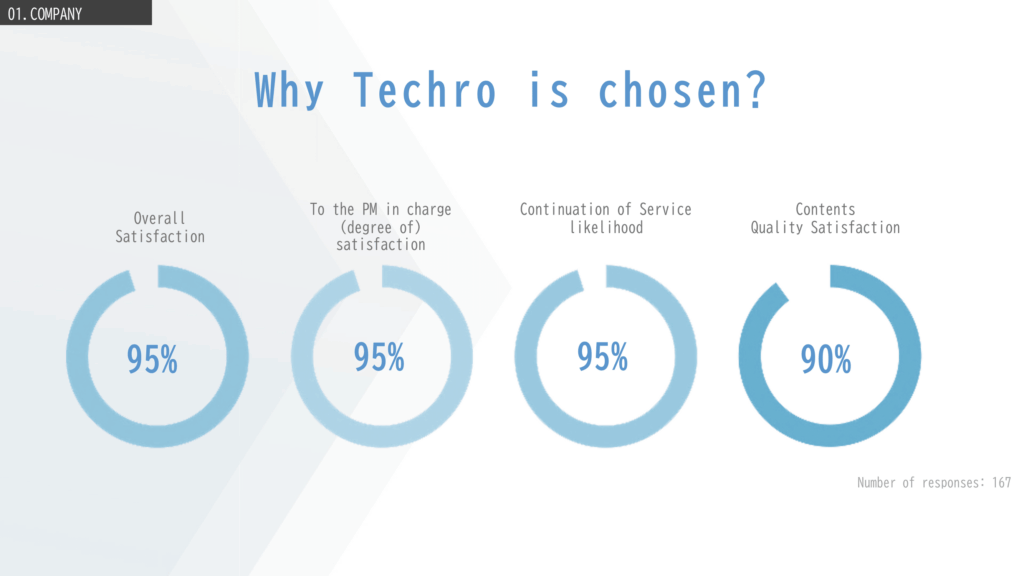
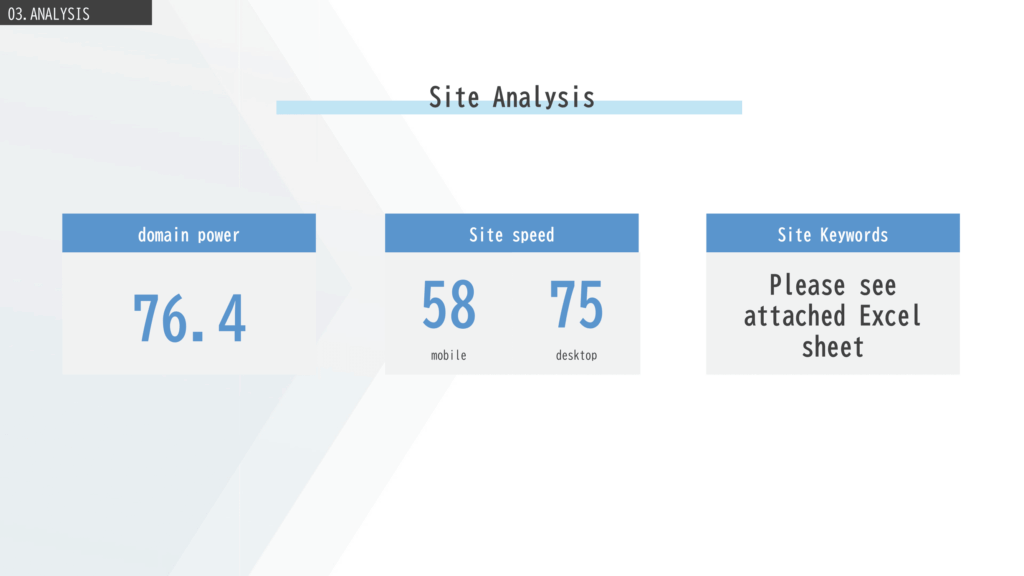
We offer a comprehensive support menu and track record, from strategy design to production, operation, and performance measurement.
- Explaining how to launch your own media
- Explaining content marketing
- A must-see for those who want to maximize the effectiveness of their owned media
- And more
The Evolution of B2B E-Commerce in Japan

From Relationship-Based Procurement to Digital Integration
Japan’s slow but steady adoption of B2B e-commerce is often misunderstood. It is not a lack of technological readiness, but rather a reflection of deeply rooted business practices. For decades, procurement has relied on established relationships, negotiated contracts, and in-person communication. These systems were efficient within their context and reinforced trust between partners.
Drivers of Digital Transformation
However, structural changes are accelerating digital transformation. Labor shortages and an aging workforce are pushing companies to streamline operations. At the same time, a new generation of professionals—more familiar with digital tools and global standards—is entering the workforce. External factors such as the pandemic have also normalized online communication and remote transactions.
As a result, B2B e-commerce in Japan is evolving into a hybrid model. Digital platforms are increasingly used for research, comparison, and even ordering, but they coexist with traditional relationship-driven sales processes.
Why Japan B2B E-Commerce Is Fundamentally Different
Consensus-Driven Decision Making
In many Western environments, B2B e-commerce is designed for efficiency. Platforms emphasize speed and simplicity. In Japan, however, decisions are rarely made by a single individual. Multiple stakeholders are involved, requiring platforms to support internal discussions through detailed and structured information.
Trust as a Core Buying Factor
Trust plays a critical role in Japan. Buyers are risk-averse and expect strong credibility signals before engaging. Case studies, company history, and proof of performance are essential elements that influence purchasing decisions.
Information as a Decision Tool
Japanese buyers rely heavily on detailed information to evaluate vendors. This means that e-commerce platforms must act as comprehensive knowledge hubs rather than simple transaction interfaces.
The Structure of an Effective Japan B2B E-Commerce Experience
Information Depth That Supports Decision-Making
In Japan, B2B buyers require detailed and structured information before making decisions. Product or service pages should go beyond basic overviews and include specifications, use cases, implementation details, and FAQs. This level of depth is essential because content is often shared internally among multiple stakeholders. A well-structured information hierarchy not only improves user experience but also reduces uncertainty and builds trust.
Integration of Content and Commerce
An effective e-commerce experience in Japan seamlessly combines educational content with transactional elements. Buyers expect to research before they engage, so articles, guides, and case studies should be embedded within the user journey. Rather than separating “marketing content” and “product pages,” successful platforms connect them, allowing users to move naturally from learning to consideration.
Flexible and Relationship-Oriented Purchase Flow
Unlike standardized online purchasing in many Western markets, Japan B2B transactions often involve negotiation, customization, and approval processes. E-commerce platforms should support this by offering options such as quotation requests, consultation forms, and account-based interactions. This flexibility reflects real-world business practices and increases the likelihood of conversion.
Professional Design and Credibility Signals
Design plays a critical role in establishing trust. A clean layout, consistent structure, and formal tone contribute to a sense of reliability. In addition, credibility signals such as client logos, certifications, and case studies should be clearly visible. These elements reassure users and strengthen confidence in the company, which is a key factor in Japan’s decision-making process.
The Strategic Role of SEO in Driving E-Commerce Growth
Capturing High-Intent Search Demand
In Japan, B2B buyers rely heavily on search engines during the research phase. SEO enables companies to capture users who are actively looking for solutions, products, or vendors. Unlike outbound tactics, this approach aligns with user intent, resulting in higher-quality traffic and more meaningful engagement.
Building Trust and Market Authority
Appearing consistently in search results is not only about visibility—it also signals credibility. Japanese users tend to associate higher rankings with reliability and expertise. By publishing well-structured, informative content, companies can position themselves as trusted authorities in their field, which directly influences purchasing decisions.
Supporting the Long Buying Journey
The B2B buying process in Japan is often extended and involves multiple touchpoints. SEO supports this journey by providing content for each stage, from initial awareness to detailed evaluation. Blog articles, comparison pages, and case studies help guide users over time, increasing the likelihood of conversion.
Reducing Long-Term Acquisition Costs
While paid advertising requires continuous investment, SEO builds a sustainable traffic foundation. Once content ranks well, it can generate consistent inbound leads without incremental media spend. Over time, this reduces dependency on paid channels and improves overall marketing efficiency.
Related Article: Why SEO Marketing in Japan Is Critical
Common Pitfalls for Foreign Companies

Treating Translation as Localization
One of the most frequent mistakes is assuming that translating an existing website is enough to succeed in Japan. In reality, effective localization requires adapting tone, structure, and messaging to match local expectations. Content that feels natural and trustworthy in English may come across as vague or overly aggressive in Japanese. Without proper localization, even strong products can struggle to gain traction.
Underestimating the Need for Information Depth
Foreign companies often apply a minimalist approach to content, focusing on concise messaging and quick conversions. In Japan, this can lead to poor performance. Buyers expect detailed explanations, supporting materials, and clear evidence before making decisions. Insufficient content creates uncertainty, which directly impacts conversion rates.
Ignoring Relationship-Building in a Digital Context
Many companies attempt to rely entirely on digital channels, assuming that a well-designed e-commerce platform can replace traditional sales processes. However, relationships remain a critical factor in Japan. Even in online environments, buyers expect opportunities for consultation, communication, and ongoing support. Failing to incorporate these elements can limit engagement and trust.
Expecting Fast Results from a Long-Term Market
Japan’s B2B market operates on longer timelines than many Western markets. Companies that expect immediate results from campaigns often become frustrated and may abandon strategies prematurely. Success in Japan requires patience, consistent effort, and a willingness to invest in long-term brand and trust building.
Misalignment Between Global Strategy and Local Execution
Another common issue is applying a global marketing strategy without adapting it to the Japanese market. While maintaining brand consistency is important, execution must reflect local behavior, search patterns, and decision-making processes. Companies that fail to bridge this gap often see lower engagement and weaker overall performance.
Market Trends Shaping Japan B2B E-Commerce in 2026
Growth of Digital Procurement Systems
Companies are adopting centralized procurement platforms, increasing the need for integration and compatibility in e-commerce systems.
Expansion of AI and Personalization
AI is being used to enhance user experience through recommendations and data analysis, while still maintaining human oversight.
Increasing Openness to Global Vendors
Japanese companies are becoming more receptive to international suppliers, especially in specialized sectors.
Despite these changes, trust and credibility remain central to success.
Building a Sustainable Strategy for Japan

Deep Understanding of the Target Market
Companies must analyze their audience, including decision-making processes and information needs, before building their strategy.
Integration of Marketing and E-Commerce
SEO, content marketing, and e-commerce should function as a unified system. Each element supports the overall customer journey.
Combining Digital and Human Touchpoints
Sales teams and digital platforms must work together to create a seamless experience. This integration strengthens relationships and improves conversion rates.
Long-Term Investment Mindset
Success requires consistent effort over time. Companies that focus on building trust and authority achieve more sustainable growth.
Conclusion: Redefining Success in Japan B2B E-Commerce
Japan B2B e-commerce is not simply a delayed version of Western markets—it is a distinct ecosystem shaped by its own cultural and business dynamics. While it may require more effort, more content, and more patience, it also offers unique rewards.
Companies that succeed in Japan are those that understand the deeper drivers of behavior: the need for trust, the importance of information, and the value of long-term relationships. By aligning their strategies with these principles, they can turn complexity into opportunity.
In 2026 and beyond, Japan’s B2B e-commerce market will continue to grow, but it will do so on its own terms. For foreign companies willing to adapt, the potential is not just market entry, but sustainable and meaningful growth.
Why Techro Co., Ltd. Is the Right Partner for B2B Advertising in Japan
This is precisely where Techro Co., Ltd. (テクロ株式会社) delivers value.
Techro specializes in helping foreign and domestic B2B companies:
- Design Japan-specific marketing strategies
- Execute high-quality SEO and owned media programs
- Run digital advertising aligned with long sales cycles
- Create Japanese content that builds real trust
- Connect marketing performance directly to sales outcomes
Rather than applying global templates, Techro builds Japan-optimized B2B growth systems — combining strategic planning, execution, and continuous improvement.
If your company is serious about succeeding in Japan’s B2B market in 2026 and beyond, working with a partner who truly understands the landscape is not optional — it’s essential.
Techro Co., Ltd. helps you avoid costly mistakes and build sustainable growth in Japan.
If your company is serious about:
- Generating qualified leads in Japan
- Building trust with Japanese decision-makers
- Maximizing advertising ROI in 2026 and beyond
Techro Co., Ltd. is the partner that understands both global strategy and local reality.
We at Techro Inc. are a company with strong expertise in content-driven web marketing.
We are also offering free materials summarizing our service, “The Web Marketing Handb