BLOG
B2B Email Marketing in Japan: Strategies, Best Practices, and How to Drive Results
Email marketing remains one of the most powerful yet misunderstood channels in Japan’s B2B landscape. While many global companies view email as a direct-response tool focused on quick conversions, the reality in Japan is very different. Email is not just a channel for promotion—it is a long-term relationship-building mechanism that supports trust, internal alignment, and gradual decision-making.
For foreign companies entering Japan, adapting email marketing strategies to local expectations is essential. Simply translating global campaigns or applying Western tactics often results in low engagement and poor conversion rates. To succeed, companies must understand how Japanese buyers consume information, how they make decisions, and how email fits into the broader marketing and sales ecosystem.
This article provides a comprehensive guide to B2B email marketing in Japan, including strategy design, content structure, cultural nuances, and practical execution approaches for 2026.
Techro Inc. is also distributing materials about its “SEO Consulting Services.”
If you are in charge of BtoB SEO and facing challenges, we encourage you to take a look.
Free owned media management service materials
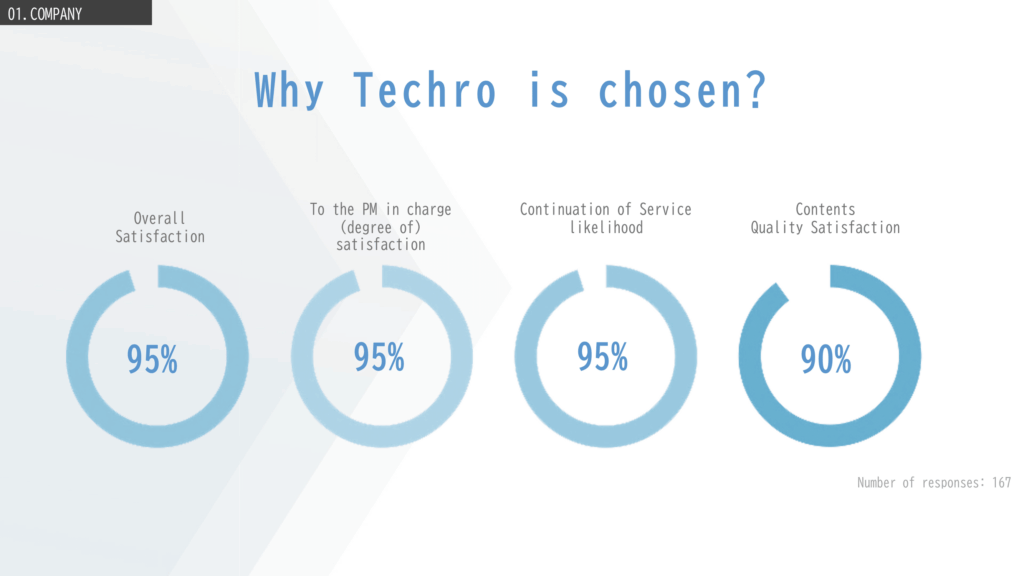
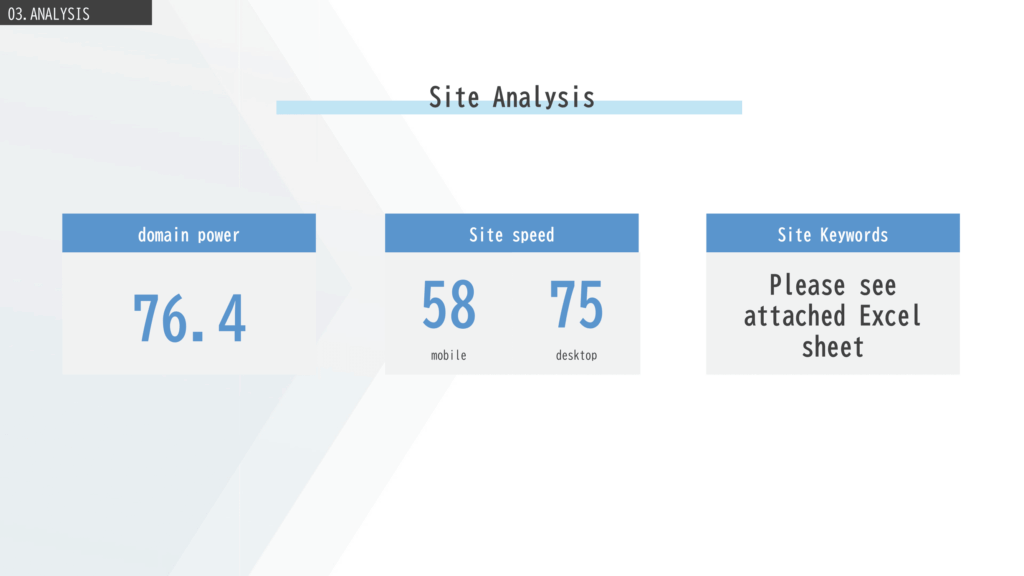
We offer a comprehensive support menu and track record, from strategy design to production, operation, and performance measurement.
- Explaining how to launch your own media
- Explaining content marketing
- A must-see for those who want to maximize the effectiveness of their owned media
- And more
Why B2B Email Marketing Works Differently in Japan
One of the biggest misconceptions about email marketing in Japan is that it should drive immediate action. In reality, Japanese B2B buyers rarely respond to a single email with a direct conversion. Instead, email is used to build familiarity and reinforce credibility over time.
This difference is rooted in how decisions are made. Japanese companies typically involve multiple stakeholders, and information is often shared internally before any action is taken. Emails are therefore not just read—they are forwarded, discussed, and used as reference material.
Another important factor is tone. Direct, aggressive messaging that emphasizes urgency or strong calls to action can feel uncomfortable or even untrustworthy in Japan. Instead, communication tends to be more neutral, informative, and respectful.
Because of this, email marketing in Japan should be viewed as a nurturing channel rather than a conversion channel. Its role is to maintain engagement, provide value, and gradually move prospects closer to a decision.
The Role of Email in the Japan B2B Marketing Funnel
Email marketing in Japan is most effective when integrated into a broader inbound strategy. It plays a critical role in bridging the gap between initial discovery and final sales engagement.
In a typical funnel, prospects may first discover a company through search engines or content marketing. They then download a resource, attend a webinar, or subscribe to updates. Email becomes the channel that keeps them engaged over time.
Rather than pushing for immediate conversion, emails should guide prospects through stages such as:
- Understanding the problem
- Exploring possible solutions
- Evaluating vendors
- Building internal consensus
By supporting this journey, email marketing helps maintain momentum in what is often a long and complex sales process.
Core Principles of Effective B2B Email Marketing in Japan
Prioritize Information Over Promotion
Japanese audiences respond better to emails that provide useful, structured information rather than direct sales messages. Content should focus on helping the reader understand industry trends, challenges, and solutions.
Emails that feel overly promotional can reduce trust, while those that offer genuine value strengthen credibility.
Maintain a Professional and Neutral Tone
Tone is a critical factor in Japan. Emails should be polite, formal, and clear, avoiding exaggerated claims or overly casual language. Consistency in tone across all communications reinforces brand reliability.
Design for Internal Sharing
Because emails are often shared within organizations, clarity and structure are essential. Key points should be easy to understand, and supporting materials such as links to detailed content should be included.
This increases the likelihood that your message reaches multiple stakeholders.
Focus on Consistency Over Frequency
Sending emails regularly is important, but frequency should not come at the expense of quality. In Japan, consistent and valuable communication is more effective than frequent but low-quality messaging.
Structuring High-Performing Email Campaigns
Subject Lines That Emphasize Value
Subject lines should clearly communicate the benefit of opening the email. Rather than using urgency or hype, focus on relevance and usefulness.
For example, highlighting insights, industry updates, or practical knowledge tends to perform better than promotional language.
Content That Guides, Not Pushes
The body of the email should provide meaningful information while encouraging further exploration. Instead of pushing for immediate action, guide the reader toward additional resources such as articles, case studies, or event registrations.
Clear but Subtle Calls to Action
Calls to action should be present but not aggressive. In Japan, softer CTAs such as “learn more,” “download the guide,” or “explore details” are generally more effective than strong sales-oriented language.
Mobile-Friendly and Structured Layout
Emails should be easy to read on both desktop and mobile devices. Short paragraphs, clear headings, and logical flow improve readability and engagement.
Newsletter Structure for B2B Email Marketing in Japan
Beyond individual emails, designing a consistent and effective newsletter structure is critical for long-term success. Japanese audiences value predictability and clarity, so having a standardized format improves readability and engagement over time.
Start with a Clear and Informative Introduction
The opening section should briefly explain what the email contains and why it is relevant. This helps readers quickly decide how to engage with the content and sets expectations.
Present Main Content in Organized Sections
Rather than long blocks of text, content should be divided into clearly labeled sections. Each section should focus on a single topic, such as an insight, article, or update.
For example:
- Industry insight or trend
- Featured article or guide
- Case study or example
This structure allows readers to scan and prioritize information easily.
Include Supporting Resources and Links
Japanese B2B readers often seek deeper information. Providing links to whitepapers, blog articles, or reports allows them to explore topics further and share internally.
End with a Soft and Relevant Call to Action
The closing section should guide readers toward the next step without being overly pushy. This could include downloading a resource, registering for a webinar, or reading more content.
Maintain Consistency Across Issues
Consistency in format, tone, and frequency builds familiarity and trust. Over time, readers come to expect a certain structure, which increases open rates and engagement.
A well-structured newsletter is not just a communication tool—it becomes a reliable source of information that supports long-term relationship building in Japan’s B2B market.
Types of Email Content That Work in Japan
Educational Newsletters
Regular newsletters that provide industry insights, trends, and practical tips are highly effective for maintaining engagement. They position the company as a knowledgeable and reliable partner.
Whitepaper and Resource Promotion
Emails that introduce downloadable resources such as whitepapers or reports can generate high-quality leads. These materials also support internal discussions within the client organization.
Webinar Invitations and Follow-Ups
Webinars are widely used in Japan for lead generation and nurturing. Email plays a key role in promoting these events and maintaining engagement afterward.
Case Studies and Success Stories
Detailed case studies that highlight real results are particularly valuable in Japan, where proof and credibility are essential for decision-making.
Building a Long-Term Email Marketing Strategy
To succeed in Japan, companies must approach email marketing as a long-term investment rather than a short-term tactic.
This begins with building a high-quality mailing list. Rather than focusing on volume, companies should prioritize relevance and engagement. Leads generated through content, events, and inbound channels tend to perform better.
Next, companies should develop a structured content plan. This ensures that emails consistently provide value and support the buyer journey.
Finally, performance should be measured over time. Metrics such as engagement rates, content consumption, and lead progression are more meaningful than immediate conversions.
Integration with Sales and Other Channels
Email marketing does not operate in isolation. Its effectiveness increases significantly when integrated with other channels.
For example, SEO and content marketing generate leads, email nurtures them, and sales converts them. Each function supports the others, creating a cohesive system.
In Japan, this integration is particularly important because of the longer and more complex decision-making process. Consistent messaging across channels reinforces trust and improves overall performance.
Conclusion: Email as a Strategic Relationship Channel
B2B email marketing in Japan is not about quick wins—it is about building long-term relationships. Companies that understand this shift their focus from conversion to value, from promotion to education, and from short-term results to sustainable growth.
By aligning email strategies with Japanese business culture, companies can create a powerful channel that supports every stage of the buyer journey. When executed correctly, email marketing becomes more than a communication tool—it becomes a key driver of trust, engagement, and long-term success in Japan’s B2B market.
Techro Inc., specializing in SEO, also provides support for email marketing as a nurturing strategy in B2B marketing.
Related Article: The Strategic Foundation of B2B Sales in Japan
Free owned media management service materials
We offer a comprehensive support menu and track record, from strategy design to production, operation, and performance measurement.
- Explaining how to launch your own media
- Explaining content marketing
- A must-see for those who want to maximize the effectiveness of their owned media
- And more