BLOG
Japan Web Marketing -A Complete Guide of How Difference in Japan for B2B Companies
Japan web marketing operates under very different rules compared to Western markets. Strategies that work in the United States or Europe often fail when applied directly in Japan.
For foreign companies and Japanese subsidiaries of global firms, understanding how web marketing in Japan truly works is essential for long-term success.
This guide explains:
- The key differences between Japanese and Western web marketing
- Current trends shaping Japan’s digital landscape
- Effective B2B web marketing strategies for the Japanese market
Techro Inc. is also distributing materials about its “SEO Consulting Services.”
If you are in charge of BtoB SEO and facing challenges, we encourage you to take a look.
Free owned media management service materials
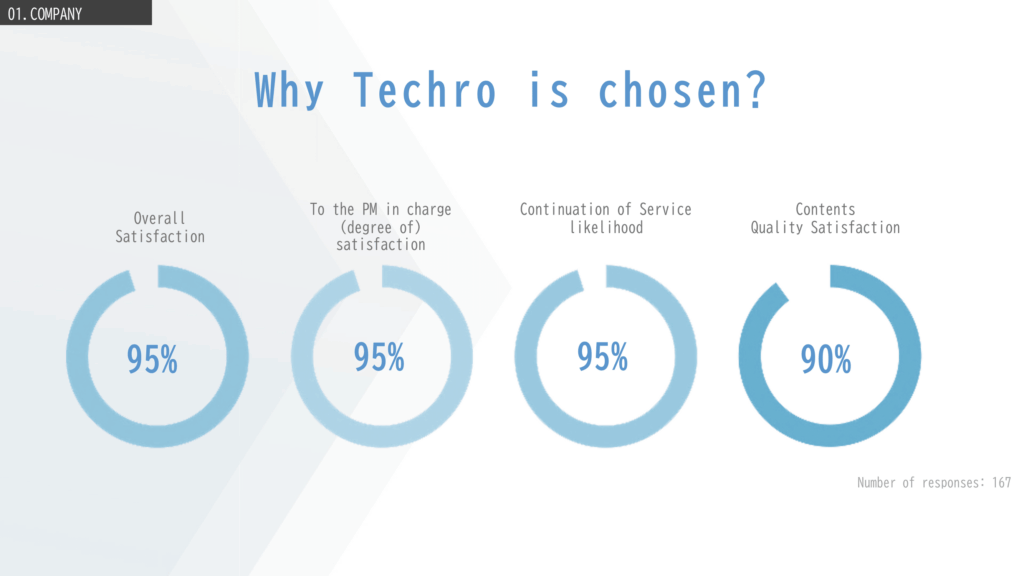
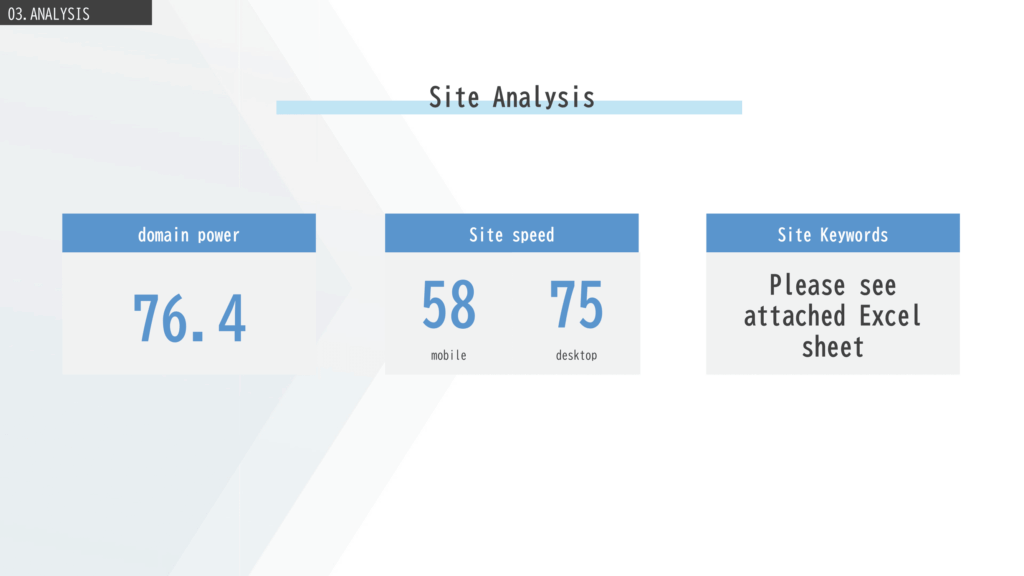
We offer a comprehensive support menu and track record, from strategy design to production, operation, and performance measurement.
- Explaining how to launch your own media
- Explaining content marketing
- A must-see for those who want to maximize the effectiveness of their owned media
- And more
Contents
- 1 Why Japan Web Marketing Is Different?
- 2 Key Differences: Japan Web Marketing vs. Western Markets
- 2.1 Decision-Making Structure: Consensus vs. Individual Authority
- 2.2 Trust Building: Long-Term Credibility vs. Immediate Value
- 2.3 Website Design: Information Density vs. Minimalism
- 2.4 Content Style: Educational Structure vs. Persuasive Tone
- 2.5 Lead Generation: Relationship Building vs. Conversion Acceleration
- 2.6 Sales Cycle: Long-Term Partnership vs. Performance Speed
- 3 Current Trends in Japan Web Marketing
- 4 Effective Methods for B2B Japan Web Marketing
- 4.1 1. Content-Driven Lead Generation Through Structured SEO
- 4.2 2. Whitepapers and Educational Assets as Trust Builders
- 4.3 3. Multi-Touch Lead Nurturing
- 4.4 4. Localization Beyond Translation
- 4.5 5. Integrated Web + Offline Alignment
- 4.6 6. Long-Term Commitment Over Short-Term Campaigns
- 4.7 Final Perspective
- 5 Building a Long-Term Japan Web Marketing Strategy
- 6 Why Long-Term Commitment Matters in Japan
- 7 Partner with Experts Who Understand Japan Web Marketing
- 8 Why Work with Techro. for SEO Marketing in Japan?
Why Japan Web Marketing Is Different?
Japan’s web marketing environment operates under a distinct set of cultural, behavioral, and technological dynamics. While the tools—SEO, SEM, content marketing, and social media—may look similar to those used in Western markets, the way they function and deliver results in Japan is fundamentally different. Understanding these differences is essential for foreign companies entering the Japanese market.
1. Trust Comes Before Conversion
In many Western markets, web marketing is highly conversion-driven. Campaigns are often optimized for speed: capture the lead quickly, move prospects into automated funnels, and shorten the sales cycle.
In Japan, however, trust precedes action. Japanese buyers—especially in B2B—rarely convert after a single touchpoint. They conduct thorough research, compare multiple vendors, and seek reassurance through detailed information. A website must demonstrate credibility through structured content, case studies, data, and social proof. Excessively bold claims or aggressive calls-to-action can reduce trust rather than increase it.
This means web marketing in Japan often prioritizes educational content, search visibility, and authority-building before pushing for direct conversions.
2. Search Behavior Is Information-Heavy and Structured
Japanese users tend to search with highly specific, descriptive keywords. Instead of short, broad queries, they often use longer phrases that reflect detailed intent. Content must therefore be comprehensive, logically organized, and rich in explanation.
Moreover, Japanese readers value clarity and structure. Pages that clearly outline definitions, processes, benefits, risks, and comparisons perform better than minimalistic, high-level landing pages. This affects SEO strategy, content depth, and even page layout design.
Web marketing in Japan is not just about visibility—it is about delivering thorough answers.
3. Consensus-Based Decision Making Extends the Funnel
Unlike many Western markets where a single decision-maker can approve a purchase, Japanese companies often rely on ringi-style consensus decision-making. Multiple stakeholders evaluate proposals, compare risks, and discuss internally before moving forward.
As a result, web marketing must support different layers of evaluation. This includes:
• Detailed white papers
• Case studies with measurable results
• Industry-specific examples
• FAQ-style content addressing potential concerns
Marketing content must help internal champions justify decisions to their superiors. Without this depth, conversion rates tend to stagnate.
4. Brand Reputation and Stability Matter More Than Hype
Japanese companies place high value on long-term reliability. A website that looks unstable, overly promotional, or inconsistent can damage brand perception.
Elements that strongly influence trust in Japan include:
• Clear company information and leadership details
• Physical office address
• Media mentions and awards
• Long-term case studies
• Partnerships with recognizable brands
Web marketing campaigns must align with this expectation of stability. Reputation-building often matters as much as performance marketing.
Relater Article: Why Japan B2B Marketing Is Unique
Key Differences: Japan Web Marketing vs. Western Markets
| Area | Japan Web Marketing | Western Web Marketing |
|---|---|---|
| Decision Making | Group consensus, multiple stakeholders | Often individual or small-group decision |
| Trust Building | Long-term credibility, detailed information | Speed, efficiency, direct value propositions |
| Website Design | Information-dense, detailed pages | Minimalist, simplified UX |
| Content Style | Educational, structured, formal tone | Conversational, persuasive tone |
| Lead Generation | Whitepapers, seminars, downloadable materials | Gated content, demos, aggressive CTAs |
| Sales Cycle | Longer and relationship-focused | Often shorter and performance-driven |
Decision-Making Structure: Consensus vs. Individual Authority
One of the most fundamental differences between Japan web marketing and Western web marketing lies in how business decisions are made. In Japan, B2B purchasing decisions are typically reached through group consensus. Multiple stakeholders—from department managers to executives—are involved in reviewing materials, comparing options, and assessing risks.
As a result, marketing must support internal alignment. Websites and downloadable resources need to provide detailed explanations, technical documentation, case studies, and structured comparisons that can be shared internally.
In contrast, Western markets often rely on individual or small-group decision-making authority. Marketing strategies therefore prioritize clarity, speed, and persuasive messaging designed to help a single decision-maker act quickly.
Trust Building: Long-Term Credibility vs. Immediate Value
Trust in Japan is built gradually and methodically. Buyers expect long-term credibility, detailed proof points, testimonials, and transparent company information before moving forward. Marketing must demonstrate reliability and reduce perceived risk at every stage.
Western web marketing tends to highlight efficiency and direct value propositions. Messaging frequently centers on ROI, performance metrics, and competitive advantages, aiming to accelerate buyer confidence through clear benefits rather than extensive background detail.
Website Design: Information Density vs. Minimalism
Japanese B2B websites are typically information-dense. Pages often include comprehensive product descriptions, FAQs, downloadable PDFs, and structured navigation that anticipates buyer questions. The objective is to eliminate uncertainty and provide reassurance.
Western websites, by comparison, often emphasize minimalist design and streamlined user experience. The focus is on guiding users efficiently toward a conversion point, sometimes with less upfront detail and more emphasis on clarity and visual simplicity.
Content Style: Educational Structure vs. Persuasive Tone
Content in Japan tends to be formal, structured, and educational. Articles and landing pages are designed to build authority and demonstrate expertise. Logical flow and depth of explanation are valued over bold claims.
Western content often adopts a conversational and persuasive tone. It may rely more heavily on storytelling, emotional appeal, and strong calls to action designed to generate immediate engagement.
Lead Generation: Relationship Building vs. Conversion Acceleration
In Japan, whitepapers, seminars, and downloadable educational materials are common lead generation tools. These resources nurture prospects gradually and support long-term relationship building.
Western markets frequently use gated content, live demos, and aggressive CTAs to accelerate conversions. The objective is often to shorten the sales cycle and move leads through the pipeline quickly.
Sales Cycle: Long-Term Partnership vs. Performance Speed
All of these differences culminate in the sales cycle. In Japan, B2B sales cycles are generally longer and relationship-focused. Trust, reliability, and internal consensus take time.
Western markets often feature shorter, performance-driven cycles where measurable ROI and speed are prioritized.
For foreign companies entering Japan, recognizing these structural differences is critical. Success requires adapting not only language but also strategy, messaging depth, and buyer journey design to align with Japanese business culture.
Current Trends in Japan Web Marketing

Current Trends in Japan Web Marketing
1. SEO-Driven Inbound Marketing
In Japan, SEO is not just a traffic acquisition tactic—it is the foundation of long-term inbound marketing. Japanese B2B buyers conduct extensive research before making inquiries, often reviewing multiple vendors and comparing detailed information across websites. As a result, companies that consistently publish high-quality, search-optimized content tend to accumulate trust over time.
Rather than focusing only on high-volume keywords, successful brands build structured content ecosystems: pillar pages, topic clusters, industry guides, and detailed FAQs. This approach aligns with the Japanese preference for thorough information and credibility. SEO in Japan is less about quick ranking wins and more about demonstrating expertise steadily and systematically.
2. Whitepapers and Downloadable Resources
Whitepapers remain one of the most powerful lead generation tools in Japan’s B2B environment. Decision-makers expect in-depth materials that explain methodologies, data, implementation steps, and case studies. Unlike some Western markets where short eBooks or gated checklists are common, Japanese audiences often prefer comprehensive and structured documentation.
Downloadable resources serve two strategic purposes. First, they signal authority and professionalism. Second, they provide a natural way to collect qualified leads. When paired with SEO-driven traffic, whitepapers become a bridge between research behavior and sales conversations, especially in industries such as IT, manufacturing, SaaS, and consulting.
3. Webinars and Online Seminars
Webinars—often referred to as “online seminars” in Japan—have become an essential part of digital engagement strategies. They are particularly effective because they mirror Japan’s long-standing seminar culture, where education precedes sales.
Companies frequently collaborate with partners, industry associations, or media platforms to host educational sessions. These events focus on delivering value through insights and practical knowledge rather than aggressive product promotion. Over time, webinar participants often move further down the funnel, transitioning from passive attendees to serious prospects. In many cases, webinars function not only as lead generation tools but also as credibility-building platforms.
4. LinkedIn Growth (Gradual but Increasing)
LinkedIn adoption in Japan has historically been slower compared to Western markets, where it is central to B2B marketing. However, usage is steadily increasing, particularly among professionals in global-facing industries such as technology, consulting, and finance.
While LinkedIn is not yet as dominant as in the U.S. or Europe, it is becoming a strategic channel for thought leadership and employer branding. Companies that share educational insights, industry analysis, and executive perspectives are beginning to build meaningful professional audiences. Growth tends to be gradual rather than explosive, but consistency and credibility matter more than rapid follower acquisition in the Japanese context.
5. AI and Marketing Automation
AI and marketing automation tools are gaining traction in Japan, particularly for data analysis, lead scoring, and content planning. However, Japanese companies tend to adopt these technologies cautiously. Automation is seen as a way to enhance efficiency and precision, not to replace human judgment.
Successful organizations integrate AI into structured workflows—using it for keyword analysis, behavioral segmentation, and campaign optimization—while maintaining careful human oversight for messaging and brand tone. Marketing automation platforms are also increasingly used to nurture leads through structured email sequences and content delivery paths, supporting Japan’s longer, relationship-oriented sales cycles.
Together, these trends highlight a broader shift in Japan web marketing: a move toward data-informed, content-rich, and trust-centered digital strategies that prioritize long-term authority over short-term performance spikes.
Related Article: Current Trends in Japan Marketing Strategy (2026 Outlook)
Effective Methods for B2B Japan Web Marketing

Succeeding in Japan’s B2B web marketing landscape requires more than applying global best practices. The Japanese market has its own buying behaviors, trust-building mechanisms, and digital consumption patterns. Companies that adapt their approach to these realities consistently outperform those that simply localize global campaigns.
Below, we explore the most effective methods for B2B Japan web marketing, combining strategic explanation with structured comparison for clarity.
1. Content-Driven Lead Generation Through Structured SEO
In Japan, organic search remains one of the most trusted channels for B2B decision-makers. Buyers conduct extensive research before contacting vendors, often reading multiple articles, whitepapers, and case studies.
Rather than publishing occasional blog posts, successful companies build a structured content ecosystem:
- Pillar pages covering core industry topics
- Supporting cluster articles targeting long-tail keywords
- Downloadable resources such as whitepapers and reports
- Industry-specific case studies
The goal is not short-term traffic, but long-term authority. Japanese buyers value companies that demonstrate expertise consistently over time.
For example, instead of writing one article about “CRM implementation,” a strong strategy would include:
- A comprehensive guide to CRM in Japan
- Articles addressing industry-specific CRM use cases
- ROI calculation frameworks
- Compliance considerations in Japan
- Comparison guides tailored to Japanese vendors
This systematic approach builds topical authority and aligns with how Japanese professionals evaluate suppliers.
2. Whitepapers and Educational Assets as Trust Builders
Unlike some Western markets where aggressive lead magnets are common, Japanese B2B marketing emphasizes education and credibility.
Whitepapers, research reports, and downloadable guides perform particularly well because they align with Japan’s risk-averse decision-making culture. Providing structured, well-researched content signals professionalism and reliability.
Here is how educational content typically functions in Japan:
| Content Type | Purpose in Japan B2B | Why It Works |
|---|---|---|
| Whitepapers | Lead acquisition | Demonstrates expertise and seriousness |
| Industry Reports | Brand authority | Positions company as thought leader |
| Case Studies | Risk reduction | Builds trust through proof |
| Webinars | Relationship building | Encourages gradual engagement |
The key is depth. Superficial materials rarely perform well. Japanese prospects expect detailed explanations, clear logic, and practical insights.
3. Multi-Touch Lead Nurturing
In many Western B2B environments, sales cycles can move relatively quickly once intent is identified. In Japan, however, decision-making often involves multiple stakeholders and internal consensus building (ringi process).
This makes multi-touch lead nurturing essential.
An effective nurturing flow in Japan might look like this:
- SEO article discovery
- Whitepaper download
- Email newsletter subscription
- Webinar participation
- Case study review
- Consultation request
Each stage builds incremental trust. Companies that attempt to push for immediate sales conversations often struggle.
Email marketing in Japan tends to be informational rather than promotional. Providing industry insights, regulatory updates, or operational tips strengthens long-term engagement.
4. Localization Beyond Translation
One of the most common mistakes foreign companies make in Japan web marketing is assuming translation equals localization.
True localization includes:
- Keyword research conducted in Japanese (not translated from English)
- Adjusted messaging tone (more formal and trust-oriented)
- Design adapted to Japanese UX expectations
- Content aligned with domestic market realities
For example:
| Element | Western Style | Japanese Preference |
|---|---|---|
| Messaging | Bold, direct claims | Credible, evidence-based tone |
| Design | Minimalist | Information-rich and structured |
| CTA | Strong urgency | Consultative and reassuring |
| Testimonials | Brief quotes | Detailed company profiles |
Understanding these nuances dramatically improves conversion rates.
5. Integrated Web + Offline Alignment
Japan remains relationship-driven, even in digital-first industries. Effective B2B web marketing often supports offline sales rather than replacing it.
Web marketing should:
- Equip sales teams with educational materials
- Generate qualified leads for in-person meetings
- Provide downloadable materials for internal sharing
- Support long evaluation cycles
Rather than viewing digital and sales separately, successful companies integrate marketing content into the broader sales process.
6. Long-Term Commitment Over Short-Term Campaigns
Perhaps the most important principle of Japan web marketing is persistence.
Japanese B2B markets reward companies that:
- Publish consistently
- Maintain professional branding
- Invest in authority over time
- Demonstrate market commitment
Short-term campaigns may produce temporary traffic spikes, but sustainable growth requires structured, continuous execution.
Companies that treat Japan as a strategic, long-term market — rather than an experimental expansion — are far more likely to achieve measurable results.
Final Perspective
Effective B2B Japan web marketing is built on trust, education, structure, and patience. It demands a systematic approach that aligns with Japanese buyer psychology and business culture.
Foreign companies that localize strategically, invest in structured SEO ecosystems, and build multi-touch nurturing systems will position themselves not just as vendors — but as reliable long-term partners in the Japanese market.
Building a Long-Term Japan Web Marketing Strategy

Short-term campaigns can generate temporary spikes in traffic, but B2B Japan web marketing truly rewards companies that invest in long-term, relationship-driven strategies. Unlike some Western markets where aggressive lead generation can deliver fast wins, Japan’s business environment prioritizes trust, credibility, and consistency.
A sustainable strategy requires aligning brand positioning, content development, SEO, and conversion infrastructure into one integrated roadmap.
1. Start with Deep Market & Persona Research
In Japan, decision-making is often collective rather than individual. Multiple stakeholders — department heads, procurement, executives — are involved in evaluating vendors.
This means your web marketing strategy should:
- Address different decision-makers with tailored content
- Provide detailed, practical information (not just high-level messaging)
- Demonstrate stability and reliability
For example, whitepapers, detailed case studies, and implementation guides are particularly effective because Japanese buyers want evidence before taking action.
Rather than immediately pushing demos or consultations, a long-term strategy builds familiarity first, then nurtures leads over time.
2. Invest in SEO as a Core Growth Engine
SEO is especially powerful in Japan because search engines are trusted research tools in B2B purchasing processes. Many business professionals conduct independent online research before ever speaking with a vendor.
However, success requires:
- Native-level keyword research
- Industry-specific terminology accuracy
- Consistent, structured publishing
Authority in Japan builds gradually. Publishing high-quality, informative content every month for 12–24 months creates compounding results.
Companies that treat SEO as a long-term asset — not a short experiment — often achieve lower customer acquisition costs over time.
3. Build Trust Through Proof and Transparency
Trust is central to Japanese business culture. Your website must communicate:
- Corporate stability
- Clear company information
- Leadership credibility
- Customer success stories
Including client logos, testimonials, media mentions, and detailed company profiles strengthens credibility.
Unlike some Western landing pages that focus heavily on bold claims, Japanese audiences respond better to structured information and concrete evidence.
4. Align Content with the Japanese Buyer Journey
In Japan, the B2B buyer journey tends to move more cautiously and methodically. A long-term strategy maps content to each stage:
| Stage | Buyer Behavior | Recommended Content |
|---|---|---|
| Awareness | Researching problems | Educational blog posts, industry trend articles |
| Consideration | Comparing vendors | Case studies, whitepapers, webinars |
| Decision | Risk evaluation | ROI calculators, detailed service pages, FAQs |
By systematically building content for each phase, you create a self-sustaining ecosystem that nurtures prospects over time.
5. Integrate Marketing and Sales Carefully
Japanese sales cycles can be longer due to internal approval processes. Therefore:
- Marketing should pre-educate leads before sales contact
- Lead scoring systems should identify high-intent prospects
- CRM integration should track long-term engagement
Instead of rushing immediate conversions, focus on building ongoing engagement through newsletters, retargeting, and downloadable resources.
6. Measure Success Beyond Short-Term Traffic
A long-term Japan web marketing strategy evaluates:
- Organic traffic growth
- Keyword ranking improvements
- Lead quality
- Conversion rates over time
- Brand recognition in the industry
Because trust-building takes time, early months may show modest results. However, sustained effort typically leads to exponential growth once authority is established.
Why Long-Term Commitment Matters in Japan
Japanese B2B markets reward patience and persistence. Companies that consistently publish authoritative content, localize messaging properly, and build trust through transparent communication often outperform competitors who rely on short-term campaigns.
In Japan, reputation compounds.
And web marketing — when executed strategically — becomes a durable competitive advantage rather than a temporary tactic.
If you’d like, I can also refine this section to align more closely with your B2B audience (e.g., startup executives or companies considering back-office outsourcing), which may strengthen the strategic positioning even further.
Partner with Experts Who Understand Japan Web Marketing
Entering the Japanese market is not simply a matter of translating your global website or running paid ads. As discussed throughout this guide, Japan web marketing requires strategic localization, long-term SEO investment, and deep cultural understanding.
For B2B companies especially, success depends on:
- Building structured content ecosystems
- Developing authority in niche industries
- Designing trust-first websites
- Creating multi-touch lead nurturing systems
- Aligning marketing with Japan’s consensus-driven sales process
These are not short-term tactics. They are systems that must be designed and executed with precision.
This is where working with a specialized partner makes a significant difference.
Why Work with Techro. for SEO Marketing in Japan?
We, Techro. is an SEO-focused web marketing partner with strong expertise in B2B content strategy and long-term inbound marketing in Japan.
Rather than offering surface-level optimization, Techro. supports clients with:
- Strategic keyword research tailored to the Japanese market
- Large-scale B2B content production (100–300 article structures)
- Authority-building content architecture
- Conversion-oriented content design
- Continuous performance analysis and improvement
Techro. understands that in Japan, SEO success is not about publishing a few articles. It is about building a structured knowledge base that earns trust over time.
For foreign companies and Japanese subsidiaries seeking sustainable growth, this approach is especially critical.
If you would like to explore how a structured SEO strategy can accelerate your expansion in Japan, consider reaching out to Techro. and starting the conversation.
Free owned media management service materials
We offer a comprehensive support menu and track record, from strategy design to production, operation, and performance measurement.
- Explaining how to launch your own media
- Explaining content marketing
- A must-see for those who want to maximize the effectiveness of their owned media
- And more