BLOG
What Is B2B Sales?An Overview of the Basic Process, Key Precautions, and Industry-Specific Tips to Avoid Failing in Sales Meetings
This article is intended for people who:
- Are considering BtoB sales but do not know how to proceed
- Want to understand the key points to avoid failure in BtoB sales in advance
It mainly explains:
- What BtoB sales are
- The overall flow of BtoB sales
- Key points and precautions to avoid failure in BtoB sales
- Which industries commonly practice BtoB sales
Simply understanding the key points for achieving results in sales in advance can significantly change your future performance.
The article also explains frameworks that are useful for BtoB sales, so please use it as a reference.
In addition, Techro Inc. is offering a free downloadable resource titled“Ultimate BtoB Sales That Achieved a 61% Opportunity Conversion Rate,”which introduces our lead management techniques.
If your BtoB company is struggling with lead acquisition, please feel free to use it.
Free owned media management service materials

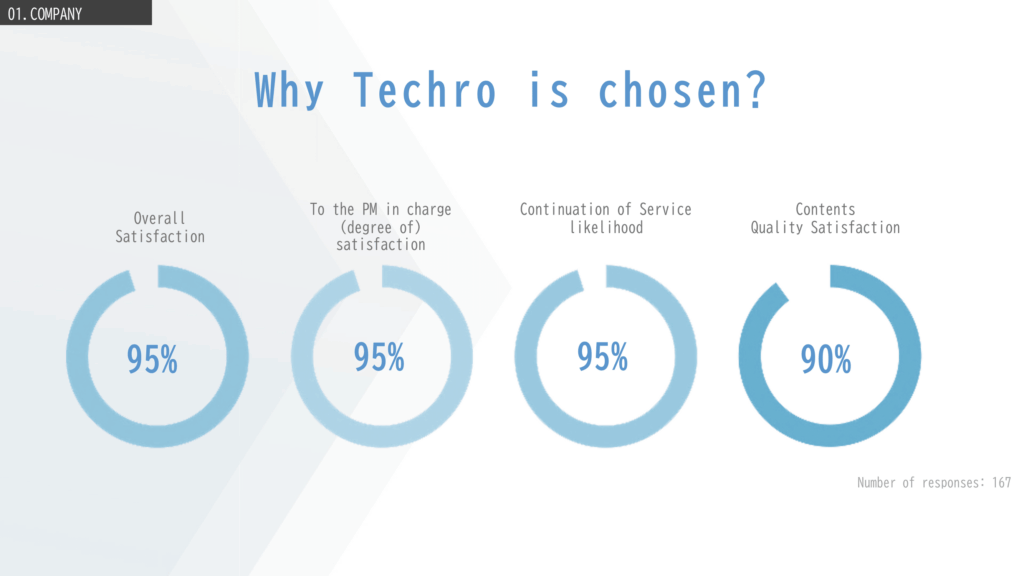
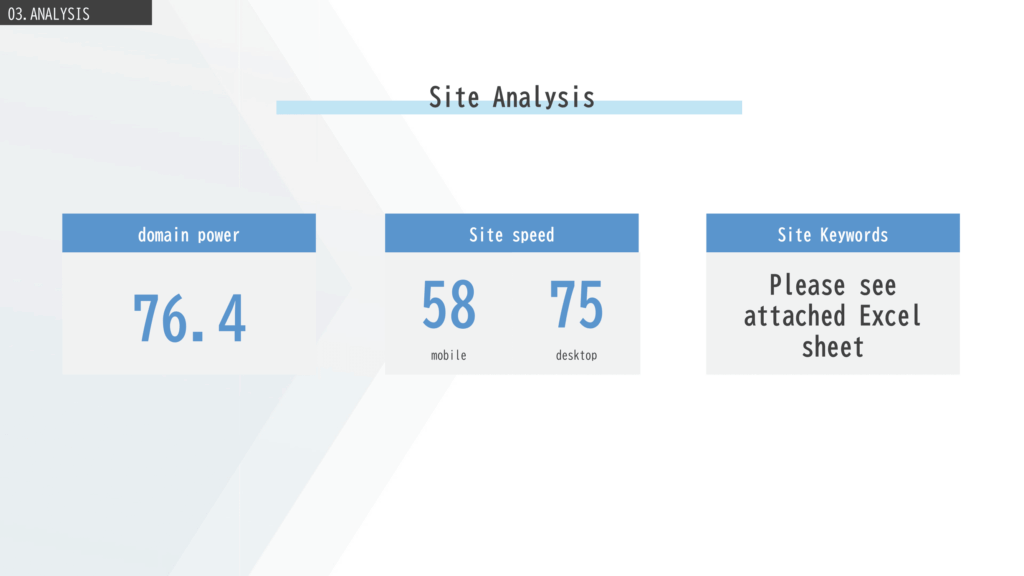
We offer a comprehensive support menu and track record, from strategy design to production, operation, and performance measurement.
- Explaining how to launch your own media
- Explaining content marketing
- A must-see for those who want to maximize the effectiveness of their owned media
- And more
Contents
- 1 What Is BtoB Sales?
- 2 The BtoB Sales Process
- 3 Key Points to Avoid Failure in BtoB Sales
- 4 Points to Be Careful About in BtoB Sales
- 5 The Essential BtoB Sales Framework: BANT Criteria
- 6 Three Industries Where BtoB Sales Are Common
- 7 Summary: Gain a Deeper Understanding of BtoB Sales Before Taking Action
What Is BtoB Sales?

BtoB sales stands for “Business to Business” sales and refers to corporate sales activities.
BtoB sales have the following three characteristics:
- High-priced products and services
- Multiple decision-makers are often involved, resulting in longer consideration periods
- Purchases are made after comparing products and evaluating benefits
Unlike sales to individuals, BtoB sales do not result in instant decisions on the spot.
Because product prices are relatively high, multiple stakeholders carefully and systematically evaluate whether the product benefits the company and whether the budget and implementation timing are appropriate. As a result, the decision-making process tends to be longer.
Since strategies differ depending on a company’s budget, decision-makers, needs, and implementation timeline, it is essential to take the correct approach for each individual company.
If you want to understand the difference between BtoB and BtoC sales, please also refer to “Differences Between BtoB and BtoC Sales: Four Tips to Close Deals.”
The BtoB Sales Process

Next, let’s look at the overall flow of BtoB sales.
The basic steps are as follows:
- Creating a customer list
- Approaching prospects
- Preparing for meetings
- Sales meetings (hearing and proposal)
- Closing and after-sales follow-up
If you are just starting BtoB sales, it may be difficult to visualize the process from this list alone.
The steps are explained below in order.
1. Creating a Customer List
First, create a list of potential customers you can approach.
When creating a customer list, write down multiple conditions that define your target customers, then search for companies that match those criteria and select them.
To improve efficiency, it is recommended to prioritize the selected customer list.
By prioritizing prospects, you can avoid spending excessive time on low-potential customers and conduct sales activities more efficiently.
2. Approaching Prospects
Once the customer list is complete, begin reaching out.
Phone calls and emails are the most common methods, but companies may not respond if there is no established trust.
In such cases, researching the companies on your list, identifying potential issues they may want to solve, and incorporating those insights into your message can increase the likelihood of a response.
At first, gaining trust can be challenging, and you may struggle.
However, whether you can persistently continue your outreach at this stage greatly affects the number of opportunities you can secure.
Related Article: Five Steps for Email Marketing in BtoB Sales and Tips to Increase Close Rates
3. Preparing for Sales Meetings
As you continue outreach and secure appointments, it’s time to prepare for sales meetings.
Research the customer and clearly define the following:
- The customer’s objectives
- The challenges they are facing
- The key messages you want to convey
- Answers to anticipated questions
Conducting research with these points in mind will prevent you from panicking due to lack of preparation during presentations.
Gather information from the company’s website, social media, and previous conversations during outreach.
4. Sales Meetings (Hearing and Proposal)
During the meeting, focus on conducting thorough hearings.
By asking the right questions, you can identify the customer’s issues and make proposals tailored to their needs.
It is recommended to structure the meeting around filling in the four BANT criteria.
The BANT criteria are explained in detail in “The Essential BtoB Sales Framework: BANT Criteria.”
Please refer to it for more information.
5. Closing and After-Sales Follow-Up
Once discussions progress and you receive approval from the customer, the deal is successfully closed.
In BtoB sales, contracts are rarely finalized in a single meeting.
After repeated proposals and hearings, the proposal is submitted for internal approval, and only then is the contract finalized.
Additionally, BtoB sales do not end with the contract.
You should continue following up by checking actual usage and addressing customer concerns to ensure their issues are resolved.
Key Points to Avoid Failure in BtoB Sales

In BtoB sales, building trust with customers is essential.
Even if you provide careful follow-up until the meeting, pushing your product unilaterally once the meeting starts can cause you to lose the customer’s trust.
By simulating in advance:
- What the customer wants
- What kind of approach will resonate with them
You can reduce failures caused by one-sided sales pitches and loss of trust.
In BtoB sales, always aim to build long-term trust with customers.
While increasing your own company’s sales is important, it does not directly matter to the customer.
Focus on whether your proposal truly benefits the customer’s business.
Points to Be Careful About in BtoB Sales

In BtoB sales, the person you deal with and the final decision-maker are often different.
In addition to the main contact person, another decision-maker is usually involved.
Even if you gain the trust and approval of the contact person, the deal may fail if approval is not obtained from their superior.
To prevent this, prepare proposals that are easy to submit for internal approval.
By clearly outlining:
- The benefits of adopting your product
- The budget
- The necessity
You make it easier for decision-makers to understand and approve.
Since competitors’ products are also being considered, thorough preparation of proposal materials is essential to stay ahead.
The Essential BtoB Sales Framework: BANT Criteria

One framework that is especially useful in BtoB sales is the BANT criteria.
BANT is named after the first letters of four elements:
- Budget
- Authority
- Needs
- Timeframe
These criteria are used to evaluate the likelihood of a prospect and represent the minimum information that should be gathered during hearings.
Approach meetings with the goal of clarifying these four elements.
For example, if you do not understand the customer’s budget, your proposal may significantly differ from what they can afford.
Similarly, if you do not identify who has decision-making authority, the value of your product may not be properly communicated, and the purchase may not proceed.
To make effective use of both parties’ time, be sure to thoroughly conduct BANT-based hearings.
Three Industries Where BtoB Sales Are Common

Next, here are three industries where BtoB sales are particularly common.
Understanding the characteristics and methods used in each industry can serve as a reference for your own sales activities.
Let’s take a closer look.
Industry 1: IT
Most IT businesses rely on BtoB sales.
Their offerings typically include web marketing support, website management, and system or tool implementation.
A key characteristic is that products are not standardized but customized and delivered according to each company’s needs.
For example, website operations differ by company concept, so customization is done through consultation with the client.
Delivering a generic, manual-based website would not benefit the client.
This sales approach is called solution sales and requires after-sales support and maintenance even after the contract is signed.
Industry 2: Human Resources
The human resources industry also primarily uses BtoB sales.
It can be divided into three main categories:
- Recruitment services
- Temporary staffing
- Job advertising
Since the business model is based on introducing human resources, acquiring new clients is the main focus.
In HR-related BtoB sales, methods such as cold calling and walk-in sales are also used.
By incorporating inquiry-based inbound marketing, the workload on sales representatives can be reduced.
It is important to select and properly use different BtoB sales methods depending on the situation.
For more details on inbound marketing, please refer to “What Is Inbound Marketing? Benefits, Challenges, and Strategies for Success.”
Industry 3: Advertising and Media
Advertising and media are also BtoB sales industries.
In recent years, internet advertising has grown significantly, and opportunities to see ads on social media and websites have increased.
For example, most ads seen on social media are the result of negotiations between companies and support through the ad placement process.
Although the actual ads are often aimed at consumers, the transactions occur between companies, so they are classified as BtoB sales.
In advertising and media, online lead acquisition is the primary method.
Sales activities focus on accurately understanding customer challenges and providing appropriate solutions.
Summary: Gain a Deeper Understanding of BtoB Sales Before Taking Action

This article introduced the fundamentals of BtoB sales.
Here is a summary of the key points:
- It is important to develop effective strategies tailored to each company
- Building trust with customers should be the top priority
- Thoroughly conducting BANT-based hearings is essential to increase closing rates
- Focus on industries where BtoB sales are actively practiced
BtoB sales is a field that requires extensive knowledge and experience.
Without proper research and the right approach, closing deals is difficult.
It is also important to deepen your understanding of BtoB marketing when engaging in BtoB sales.
Techro Inc. offers a free downloadable resource titled “Ultimate BtoB Sales That Achieved a 61% Opportunity Conversion Rate,” which introduces our lead management techniques.
If your BtoB company is struggling with lead acquisition, please make use of it.
Free owned media management service materials
We offer a comprehensive support menu and track record, from strategy design to production, operation, and performance measurement.
- Explaining how to launch your own media
- Explaining content marketing
- A must-see for those who want to maximize the effectiveness of their owned media
- And more