BLOG
What Is Content Marketing? A Comprehensive Guide – Mechanisms, Benefits, and How to Practice It (2026 Edition)
“Advertising is becoming less effective.” “Trade shows alone have their limits.”
Many companies that feel this way are now turning their attention to content marketing as a system that allows them to be chosen without pushing a sale.
In the past, sales activities were mainly outbound, reaching customers through cold calls, door-to-door visits, and advertisements. Today, however, customers research information on their own, compare options, and make purchasing decisions only after they are fully convinced.
Building a system that enables customers to find your company, trust it, and ultimately choose it has become the key to sustainable business growth.
In this article, we clearly explain— from both the practitioner’s and decision-maker’s perspectives—
- The fundamentals and practical methods of content marketing
- Key points to watch out for when implementing it
- Successful implementation case studies
We also introduce “How to Start Content Marketing Initiatives That Lead to BtoB Lead Generation,” which provides an overview of BtoB content marketing and real-world success stories.
Free owned media management service materials

We offer a comprehensive support menu and track record, from strategy design to production, operation, and performance measurement.
- Explaining how to launch your own media
- Explaining content marketing
- A must-see for those who want to maximize the effectiveness of their owned media
- And more
Contents
- 1 What Is Content Marketing?
- 2 Main Types of Content Marketing and Their Characteristics
- 3 Objectives of Implementation and the Benefits You Can Gain
- 4 Key Benefits of Content Marketing
- 5 How to Get Started and Move Forward
- 6 Common Challenges and Key Considerations Before Implementation
- 7 Successful Content Marketing Case Studies
- 8 How to Study Content Marketing
- 9 Frequently Asked Questions About Content Marketing
- 10 Conclusion: Content Becomes an Asset, So Be Strategic
What Is Content Marketing?

Content marketing is a marketing approach that involves continuously providing valuable information (= content) to customers, building trust, and ultimately encouraging them to take action.
Content includes the following types:
- Text content
- Image content
- Manga content
- Video content
Rather than directly promoting products or services, content marketing is characterized by a process designed to help audiences discover your brand, recognize its relevance, and ultimately choose it.
Unlike traditional advertising or sales activities, content marketing starts from users’ search behavior and information gathering on social media. By making users feel “this is helpful” or “this seems trustworthy,” it creates conditions that lead to inquiries and business opportunities.
Why Is Content Marketing Gaining Attention Now?
- Changes in customer behavior
As the starting point of information gathering has shifted from sales and advertising to search engines, social media, and word of mouth, one-sided approaches no longer capture attention. Users are now actively searching for companies that seem capable of solving their problems. - The risk of relying too heavily on advertising
With rising advertising costs and declining click-through and conversion rates, many companies find it difficult to achieve stable customer acquisition through short-term tactics alone. Unlike ads, content is a cumulative initiative. The more you create, the more it becomes a long-term asset. - Improved medium- to long-term sales efficiency
There is a limit to how long sales teams can continuously pursue high-quality leads. When content nurtures high-intent prospects, sales efforts become more efficient and effective.
Relationship with Advertising and Sales
Content marketing is not a method that competes with advertising or sales. Rather, it serves as the foundation that maximizes their effectiveness.
Content marketing functions as a hub that improves the overall quality of the marketing funnel.
Generate interest through content, then retarget with advertising
Acquire leads through content, then have sales convert them into deals
For more on marketing funnels, please also refer to this article:
What Is a Funnel in Content Marketing? Explaining the Benefits and Each Phase
Main Types of Content Marketing and Their Characteristics
Content marketing encompasses a wide range of approaches. Below are five representative types that are commonly used by B2B companies.
1. Blog articles (owned media)
This is an effective approach for attracting traffic via search engines. If your articles rank highly when prospects search for their challenges, you can naturally create touchpoints.
Objectives
Increase traffic from both latent and active prospects
Promote understanding of services
Create pathways to MA tools and white papers
Key points
SEO design (keyword research, competitor analysis, internal linking) is essential
Content structure that meets search intent and includes clear CTAs is required
Related article: A Thorough Explanation of the Differences Between Content Marketing and Owned Media
White papers and eBooks
This approach provides useful materials and know-how in PDF format and acquires lead information in exchange for downloads. It is widely used as the entry point of marketing activities.
Objectives
Acquire prospective leads
Use as nurturing materials for MA and sales
Key points
Choose themes that closely align with user challenges
Optimize form fields and user flows to improve performance
Email marketing and marketing automation (MA)
This method maintains ongoing contact with acquired leads and nurtures purchase intent. By using MA tools, step emails can be automated based on behavioral data.
Objectives
Lead nurturing
Maintaining relationships and encouraging mindset shifts
Key points
Segmentation and timing are critical
Overly sales-driven messaging can have the opposite effect
Webinars and video content
These are particularly effective for building trust and encouraging consideration in B2B and complex service domains. Post-webinar surveys and material downloads make it easy to prompt user actions.
Objectives
Improve product understanding
Encourage attitude change through trust and conviction
Key points
Designing pre-event promotion and archive usage is essential
Integration with follow-up content such as articles and materials is highly effective
Social media content (mainly X and LinkedIn for B2B)
These channels are effective for awareness expansion, branding, and recruitment. They are often used to share approachable and authentic human perspectives.
Objectives
Increase awareness among latent audiences
Maintain continuous engagement with executive and middle-management layers
Key points
Consistent posting and integration with other content are essential
Link paths and CTA design should be clear
Related article: Explaining How to Create Content Marketing in Five Steps and Key Considerations
Objectives of Implementation and the Benefits You Can Gain
Clarifying objectives: short-term and mid-to-long-term perspectives
The purpose of content marketing is not simply “to attract traffic.” It is a strategic initiative that directly impacts revenue and sales efficiency, and it should be implemented with clear objectives.
It is effective to define objectives along two axes: short-term and mid-to-long-term.
| Short-term Objectives (Within 1 Year) | Mid- to Long-term Objectives (1–3 Years) |
|---|---|
| Acquire organic search traffic (reduce advertising costs) | Strengthen SEO domain authority |
| Create touchpoints with prospective customers | Convert internal knowledge into structured, scalable assets |
| Increase the number of form conversions (CVs) and material downloads | Eliminate reliance on individual sales skills and create a state where customers actively “choose” the company |
| Build a system that serves as the entry point for sales activities | Strengthen collaboration with other departments such as recruitment and branding |
Key Benefits of Content Marketing
Achieving self-sustaining customer acquisition without relying on ads
Advertising delivers immediate results but drops to zero once stopped. Content accumulates as a long-term asset that continuously contributes to search traffic and trust building.
Reducing sales workload
Comments such as “They already understood our service before contacting us” or “They compared options on their own and contacted us with a positive impression” reflect high-intent leads. Generating these leads reduces sales burden and cold outreach.
Automating lead nurturing
By designing flows such as material downloads, email delivery, and webinar participation according to each stage of the buying process, leads naturally progress to the next action, optimizing sales timing.
Functioning as internal knowledge assets
Content can be reused as sales materials, FAQs, internal training, manuals, and recruitment PR, making it highly versatile and strengthening cross-department collaboration.
How to Get Started and Move Forward
Content marketing does not produce results if you simply start writing articles at random. The key is to clearly define who you are targeting, what value you provide, and how you deliver it, then consistently execute the cycle of strategy, design, execution, and improvement.
Below are the five basic steps from implementation to operation.
Step 1: Clarify your target audience and value proposition
First, clearly define whose problems you are solving and what value you provide.
If this remains unclear, your content will fail to resonate.
Key questions
Who is the primary target (industry, role, position, stage)?
What information are they seeking?
What unique value can your company offer?
At this stage, interviews with existing customers and alignment with the sales team are highly effective.
Step 2: Customer journey and content design
Next, design content aligned with the user’s decision-making process. For each phase—awareness, interest, consideration, and decision—organize user concerns and the information you should deliver.
Concrete Example of Content Design
- Who is the main target?
(Industry, job function, job title, business stage) - What kind of information are they looking for?
(Challenges they face, questions they want answered, decisions they are trying to make) - What is your company’s unique value proposition?
(Expertise, experience, data, perspective, or solutions only your company can provide)
Step 3: Define KPIs and measurement design
To continuously improve, a measurement framework based on data is essential.
Examples of quantitative indicators
- Monthly organic traffic
- Conversion rate
- Number of material downloads and CTA click-through rate
- Opportunity conversion rate and average deal size
Tools such as Google Analytics 4, Search Console, heatmaps, and CRM/MA platforms are commonly used.
Step 4: Build a production system and operation plan
Design who creates content, how often, and through what process.
Key considerations
- In-house production or outsourcing
- Monthly volume and theme selection rules
- Editing and review processes
- Distribution schedules and operational rules (CMS, social media, MA delivery)
If internal resources are limited, a hybrid approach—handling strategy internally and outsourcing production—can be effective.
Step 5: Improvement and expansion into nurturing initiatives
Content should not end at publication. Continuous improvement based on performance is critical.
- Enhancing high-performing content
- Improving, removing, or repurposing low-performing content
- Following up with downloaded leads through email sequences and sales outreach
Connecting marketing activities as a continuous journey rather than isolated points leads to stronger results.
Common Challenges and Key Considerations Before Implementation
While content marketing can be highly effective when properly designed and operated, there are common pitfalls in the early stages.
“We publish articles, but see no results”
This often occurs when blogs are updated regularly but traffic and conversions remain low.
| Examples of Causes | Countermeasures |
|---|---|
| • Inadequate selection of SEO keywords | • Conduct keyword research based on search intent |
| • Misalignment between the target audience and the content | • Design problem-solving themes aligned with defined personas |
| • Unclear CTA pathways (inquiries, material downloads, etc.) | • Clearly place CTAs at the bottom or side of articles |
| • No lead-flow design between articles (internal linking) | • Build internal links between related articles and structure content as a series |
“It doesn’t last and becomes person-dependent”
When content initiatives rely on individual enthusiasm, they often stall due to workload or personnel changes.
| Examples of Causes | Countermeasures |
|---|---|
| • Person-dependent operation (handled by only one person internally) | • Strengthen collaboration with management and sales teams and thoroughly share KPIs |
| • Lack of clear KPIs and operational rules, leading to vague motivation | • Document content themes, schedules, and operational structures |
| • Upper management does not understand the value of the initiatives | • Collaborate with external partners to distribute and stabilize execution resources |
“Poor alignment with sales, so content isn’t utilized”
Even high-quality content can go unused if it is not shared or integrated with sales activities.
| Examples of Causes | Countermeasures |
|---|---|
| • Weak collaboration between marketing and sales | • Align the intent and usage of content with the sales team |
| • Lead data quality and utilization methods are not shared | • Visualize and score lead data using MA and SFA tools |
| • Content is not in a usable state for the sales team | • Create sales-ready materials (e.g., talk scripts, comparison tables) |
Success requires both systems and shared understanding. Content marketing is not just about producing articles. Building a structure that integrates design, execution, utilization, and improvement in collaboration with internal and external stakeholders leads to results.
Successful Content Marketing Case Studies

When implementing content marketing, successful case studies are valuable references.
Since around 2015, content marketing has gained popularity in Japan, and many companies have adopted it, with some achieving remarkable success.
Representative examples include;
HAPPY PLUS STORE is an example of transforming an e-commerce site into owned media, distributing buyer reviews and styling tips.
OMG PRESS is a media platform focused on eyewear that has achieved strong results by publishing content closely aligned with customer concerns.
SUUMO Town is a regional media platform where local writers create articles, conveying an authentic atmosphere that resonates with readers.
Simply analyzing successful media platforms can provide valuable insights.
For more examples and deeper explanations, see “25 Successful Content Marketing Case Studies: Common Traits of High-Performing Companies.”
How to Study Content Marketing

If you plan to start content marketing, it is highly recommended to study it in depth. The more you learn, the higher your chances of success and the better results you can achieve.
Even if you are already working on it, further learning improves analysis and optimization accuracy. Below are six recommended ways to study content marketing.
Books
Many books on content marketing are available due to its popularity. Searching for “content marketing” on Amazon yields over 400 results.
Well-known titles include:
The Easiest Content Marketing Guide
Web Content Marketing: A Practical Textbook for Successful Sites
88 Content Marketing Methods You Can Start Right Away
Books are carefully vetted before publication, making them reliable and systematic learning resources. They also allow deep dives into specific themes.
Websites and blogs
While books have advantages, they can be costly and may not reflect the latest information. Websites and blogs compensate for these drawbacks.
Many media platforms run by web marketing companies publish content marketing insights, including translations of overseas trends. Bookmarking reputable sites and checking them daily can significantly deepen your knowledge, though careful source selection is essential.
Social media
Social media is another convenient learning tool, particularly Facebook and X.
X is ideal for learning from experts’ real-time insights across SEO, writing, analytics, and social media. Facebook is useful for learning through communities and groups dedicated to content marketing.
Video platforms
Video platforms such as YouTube represent a modern learning method. While content quality varies, videos combine visuals, images, and audio, making complex topics easier to understand. Careful selection of credible channels is important.
Online schools
Online schools provide structured learning through video content. Platforms like Udemy offer courses ranging from hobbies to business and marketing. Although paid, many courses are reasonably priced and well-organized.
Seminars
For those who want to learn directly from industry leaders, seminars are recommended. They offer access to expert knowledge, exclusive insights, and opportunities for questions and networking, though careful evaluation of credibility is necessary.
Frequently Asked Questions About Content Marketing
Q1. Should we do content marketing in-house or outsource it?
A. The choice depends on budget and timeline. In-house is suitable for learning and cost control when time allows, while outsourcing is recommended for faster execution and better results. Working with professionals increases success rates and content quality.
Q2. Should we use all platforms?
A. Beginners often think they should use every platform, but this is not recommended for in-house teams. It is better to focus on a few platforms aligned with your persona. When outsourcing, following expert recommendations is more efficient.
Q3. Will daily updates increase traffic?
A. While frequent updates increase volume, only high-quality content reaches users. Prioritizing quality over frequency is essential, even if it takes days or weeks to produce a single piece.
Q4. Should we use paid tools?
A. Free tools such as keyword planners and analytics platforms are sufficient initially.
As mentioned earlier, tools such as:
Rakko Keyword
Keyword Planner
Google Analytics
Search Console
are all available for free.
However, the free versions only offer limited functionality, so depending on your needs, it may be worth considering the introduction of paid tools.
Some representative paid tools that can be used for content marketing include:
These tools provide more advanced features for keyword analysis, SEO optimization, and performance tracking.
Paid tools should be considered once results begin to appear and you want to further enhance performance.
Conclusion: Content Becomes an Asset, So Be Strategic
Content marketing is not just about sharing information.
It is a system designed to support the customer’s decision-making process and create a state where your company is chosen.
Unlike advertising, it does not deliver immediate results. However, when properly designed, it becomes a long-term asset that serves as the foundation for lead generation, nurturing, and sales enablement.
To create content that truly drives results, it is essential to clearly define who you are targeting, what you deliver, and how you deliver it—and to establish a consistent framework that covers strategy, production, operation, and continuous improvement.
If you are facing challenges such as:
- “We can’t sustain content efforts”
- “We don’t have in-house expertise”
- “We’re too busy to manage it properly”
it may be worth considering collaboration with a trusted external partner.
At Techro, we support B2B startups and small to mid-sized companies by providing end-to-end content marketing services—from strategic planning and content creation to ongoing optimization and improvement.
【Techro Support】
Success Story ①: LG Breakthrough Co., Ltd. “Jichitai Business.com”

| Media name | Jichitai Business.com |
| Media URL | https://www.b2lg.co.jp/jichitai/ |
| Concept / Theme | Information to help succeed in the local government business |
| Operating company | LG Breakthrough Co., Ltd. |
| Launch year | 2017 |
| Objectives | Lead generation New customer acquisition |
“Jichitai Business.com” is a company that provides solutions for businesses seeking to contract work from local governments and public institutions.
Although the company had previously launched an owned media platform, they believed that there were no meaningful online touchpoints with companies, and as a result, the media was not actively operated.
To break this situation, they implemented content marketing. After about six months, page views grew by approximately 20 times. The key reason for this growth was that they continuously recorded performance changes as numerical data when creating content and used those insights to drive improvements.
They also achieved their goal of leveraging the owned media as a core business asset.
Despite being a small company, this is a successful example of automating sales through the effective use of an owned media platform.
Techro’s achievements in supporting LG Breakthrough’s content marketing are introduced on our “Case Studies” page.
【Techro Support】
Success Story ②: J&U Co., Ltd. “PAPER AD”
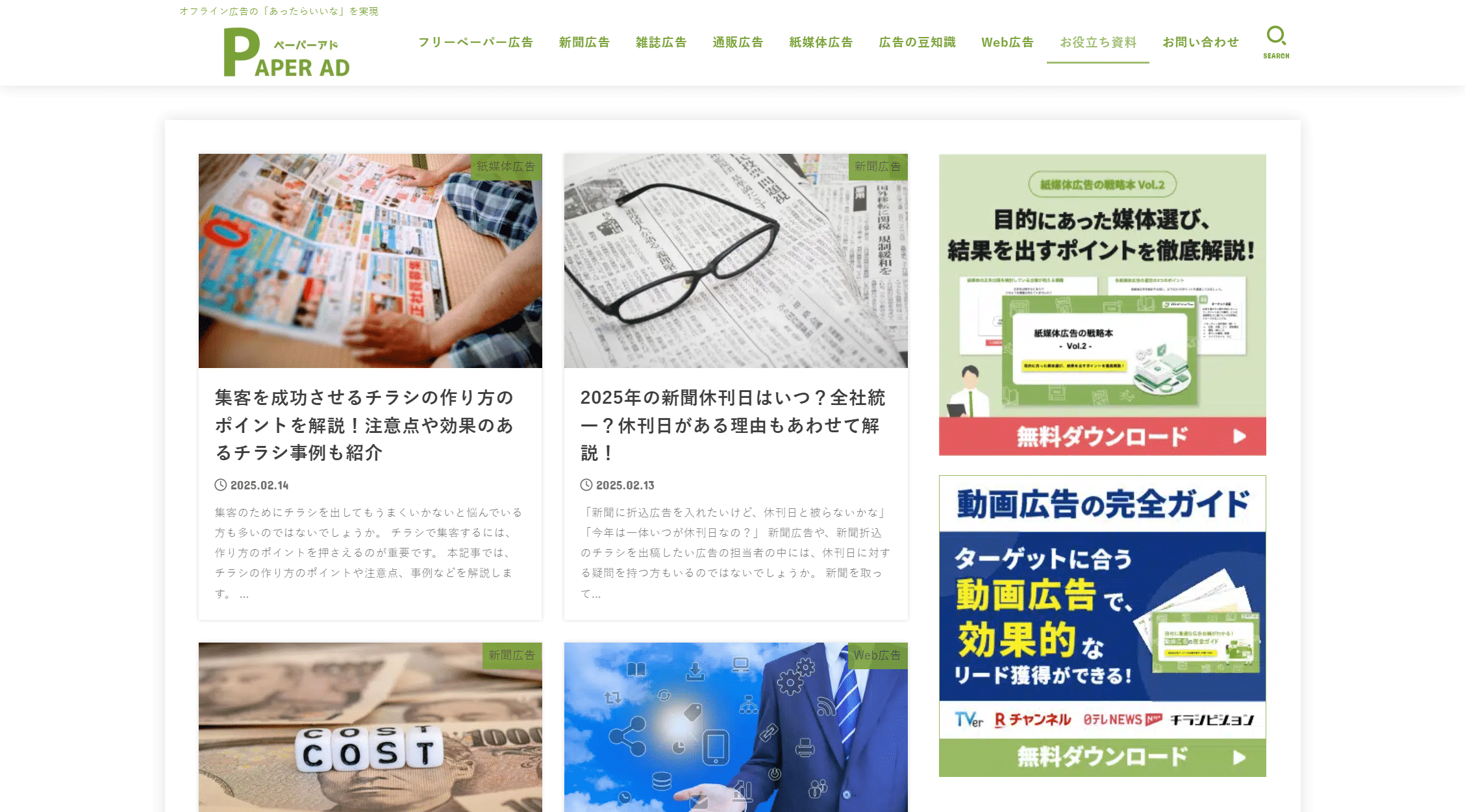
| Media name | PAPER AD |
| Media URL | https://j-you.co.jp/blog/ |
| Concept / Theme | Sharing information about offline advertising |
| Operating company | J&U Co., Ltd. |
| Launch year | 2020 |
| Objectives | Lead generation New customer acquisition |
J&U Co., Ltd., an advertising agency, received support from Techro starting from the launch of their owned media. By launching and continuously operating “PAPER AD,” they succeeded in acquiring new leads from industries that had never generated inquiries before.
Subsequently, we also supported the implementation of HubSpot for lead management and nurturing.
By organizing sales processes and configuring HubSpot, they achieved centralized management and improved efficiency in sales operations. Visualizing sales and inventory status led to a 5% increase in revenue.
You can find more details in the following case studies:
Reference: “Achieving Inquiries from Other Industries and Boosting Sales Motivation Through Owned Media | J&U Co., Ltd.”
Reference: “[Revenue Up 5%] Visualizing Sales Through HubSpot Operations Support—What Were the Measures That Significantly Increased Revenue and Profit Margins Compared to the Previous Year? | J&U Co., Ltd.”
Techro’s achievements in supporting J&U’s content marketing are introduced on our “Case Studies” page.
Reference: “Achieving Inquiries from Other Industries and Boosting Sales Motivation Through Owned Media | J&U Co., Ltd.”
Reference:“[Revenue Up 5%] Visualizing Sales Through HubSpot Operations Support—What Were the Measures That Significantly Increased Revenue and Profit Margins Compared to the Previous Year? | J&U Co., Ltd.”
Techro’s achievements in supporting J&U’s content marketing are introduced on our “Case Studies” page.
【Techro Support】
Success Story ③: Reloclub Co., Ltd. “RELO General Affairs & HR Times”
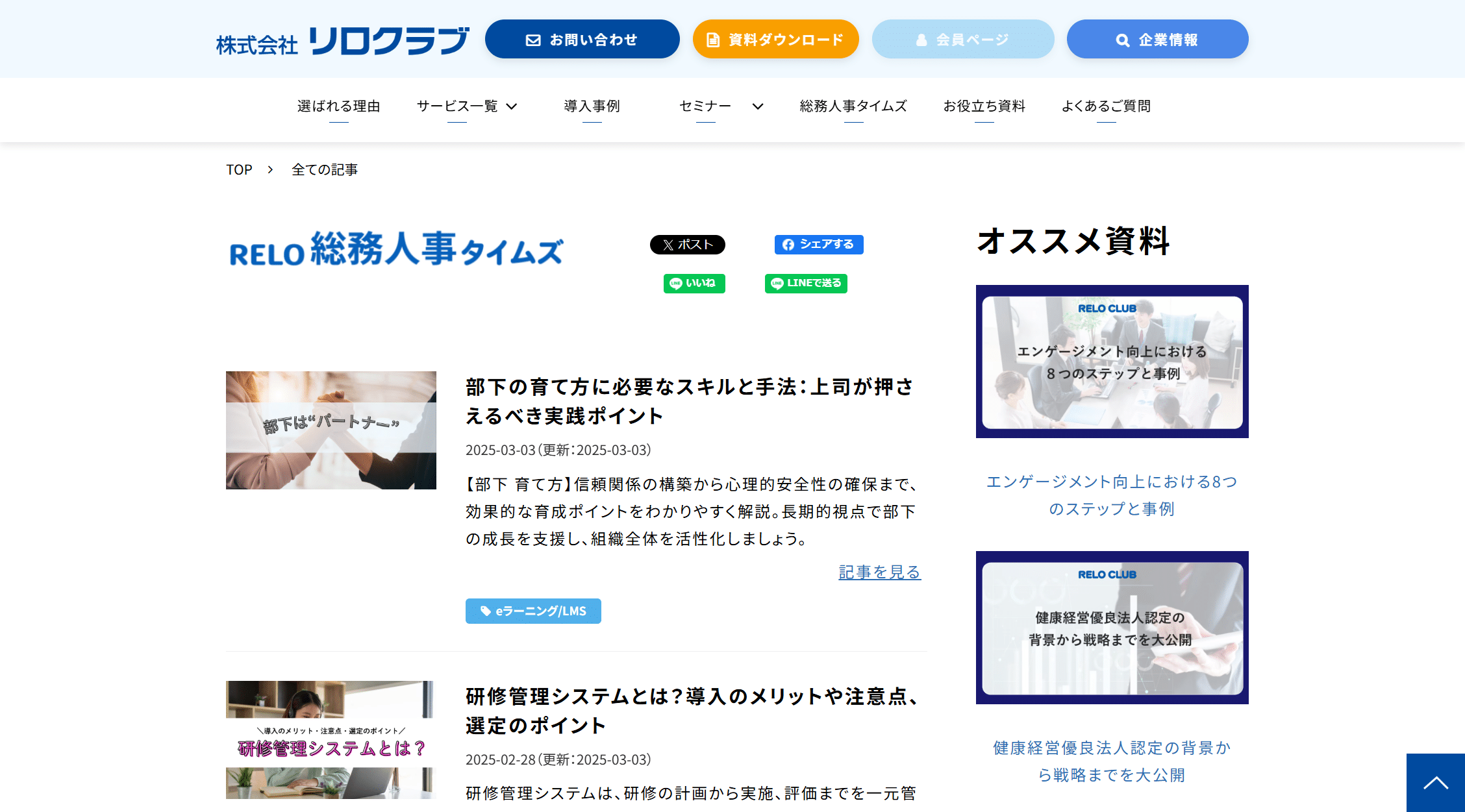
| Media name | RELO General Affairs & HR Times |
| Media URL | https://www.reloclub.jp/relotimes/article |
| Concept / Theme | Information related to general affairs and human resources |
| Operating company | Reloclub Co., Ltd. |
| Launch year | 2023 |
| Objectives | Lead generation New customer acquisition |
Reloclub Co., Ltd. provides employee benefits outsourcing services and operates “RELO General Affairs & HR Times” as its owned media.
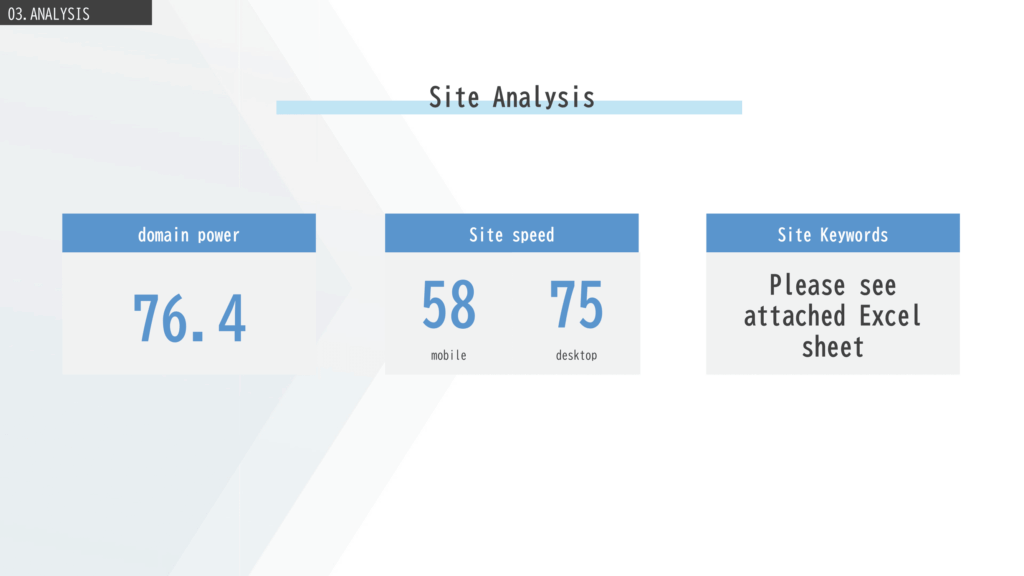
Although the site had strong domain authority and high page views, the challenge was that it was not generating inquiries.
After outsourcing the media operations to Techro, we conducted CV-focused keyword selection and site improvements. As a result, inquiries increased, and the media evolved into a stronger revenue-contributing asset.
This is a successful example of revenue growth achieved through CV optimization.
Techro’s achievements in supporting Reloclub’s content marketing are introduced on our “Case Studies” page.
【Techro Support】
Success Story ④: NTT Printing Co., Ltd. “Kachiaru Support”

| Media name | Kachiaru Support (Owned Media) |
| Media URL | https://kachiarusupport.nttprint.com/column |
| Concept / Theme | Introducing BPO services |
| Operating company | NTT Printing Co., Ltd. |
| Launch year | 2024 |
| Objectives | Lead generation New customer acquisition |
NTT Printing Co., Ltd. provides BPO services and operates the “Kachiaru Support Owned Media.”
With limited internal resources, the company needed to prepare various content for the owned media while also managing other initiatives such as exhibiting at trade shows once or twice a month. They recognized the need for a partner both in terms of resources and expertise.
By outsourcing owned media operations, they successfully reduced internal workload while achieving tangible results.
Techro’s achievements in supporting NTT Printing’s content marketing are introduced on our “Case Studies” page.
【Techro Support】
Success Story ⑤: JAF Media Works Co., Ltd. “JAF Torecolumn”

| Media name | JAF Torecolumn |
| Media URL | https://jaf-training.jp/column/ |
| Concept / Theme | Sharing information on traffic safety |
| Operating company | JAF Media Works Co., Ltd. |
| Launch year | 2024– |
| Objectives | Lead generation New customer acquisition |
JAF Media Works Co., Ltd. provides JAF Traffic Safety Training and operates “JAF Torecolumn” as its owned media.
The company did not have an internal marketing department. Although they attempted to work on customer acquisition, they were unsure whether their efforts were effective or which initiatives would deliver the best results.
They therefore requested Techro’s owned media support. From launching the media to acquiring page views and conversions, Techro provided end-to-end support, resulting in successful lead generation through content.
Techro’s achievements in supporting JAF Media Works’ content marketing are introduced on our “Case Studies” page.
If you are experiencing any of the following challenges:
- Uncertainty about launching an owned media platform
- Wanting to build a scalable acquisition base centered on SEO
- Needing support from the strategy phase, not just content creation
- Seeking to align content with sales and marketing automation (MA) for measurable results
we invite you to download our materials and learn more about how we can help.
Free owned media management service materials
We offer a comprehensive support menu and track record, from strategy design to production, operation, and performance measurement.
- Explaining how to launch your own media
- Explaining content marketing
- A must-see for those who want to maximize the effectiveness of their owned media
- And more